


Living in a one-bedroom apartment offers freedom and simplicity. You control your space without extra rooms to worry about. Yet, small square footage challenges many people. How do you create a home that feels open, functional, and stylish? This article shares practical ideas to transform your compact living area. From smart furniture choices to clever storage hacks, you gain tools to make every inch count. Industry experts agree that thoughtful design turns limitations into strengths.
Understanding Your Space
Start with a clear assessment. Measure your apartment’s dimensions. Note windows, doors, and fixed elements like radiators. This step prevents costly mistakes. Professionals recommend sketching a floor plan first. Use graph paper or a simple app to visualize layouts.
Consider your lifestyle. Do you work from home? Entertain friends often? Cook daily? Tailor designs to your habits. For example, remote workers need a dedicated desk area. Based on manufacturer guidelines, choose furniture that fits without overcrowding.
Think about flow. Ensure easy movement between zones. Avoid blocking pathways. Industry standards suggest at least 30 inches for walkways. This creates a sense of openness in tight quarters.
Maximizing Space with Multifunctional Furniture
One-bedroom apartments demand versatility. Select pieces that serve multiple purposes. A sofa bed welcomes guests while saving room. Pull it out for sleepovers, fold it back for daily use.
Ottomans with storage hide blankets or books inside. Place one near your couch for extra seating. Experts suggest models with removable trays for serving drinks.
Murphy beds fold into walls, freeing floor space during the day. Install one in your bedroom for a home office setup. According to professionals, secure installation ensures safety.
Coffee tables with lift-tops adjust for dining or work. Store remotes underneath. This keeps surfaces clutter-free.
- Choose stackable chairs for dining areas.
- Opt for nesting tables that tuck away when not needed.
- Use wall-mounted desks that fold down.
These choices expand your living options without adding bulk.
Color Schemes and Paint Choices
Colors shape mood and perceived size. Light hues make rooms feel larger. Whites, soft grays, and pastels reflect light well. Paint walls in eggshell finish for easy cleaning.
Accent with bolder shades sparingly. A navy feature wall adds depth without overwhelming. Industry experts advise testing samples in natural light first.
Incorporate neutrals for timeless appeal. Beiges and taupes warm up spaces. Pair with wood tones for natural vibes.
For bedrooms, calming blues promote rest. Greens evoke tranquility. Avoid dark colors on ceilings; they lower visual height.
Use color blocking. Paint lower walls darker for grounding, upper parts lighter for airiness. This technique, recommended by designers, creates illusion of height.
Lighting Strategies for Ambiance and Functionality
Good lighting transforms small apartments. Layer sources for flexibility. Overhead fixtures provide general illumination. Add task lamps for reading or cooking.
LED strips under cabinets brighten kitchens. They save energy too. Professionals highlight dimmable options for mood control.
Floor lamps with adjustable arms direct light where needed. Place one beside your bed for nighttime reading.
Natural light matters most. Sheer curtains filter sun without blocking views. Mirrors opposite windows bounce light around.
- Install sconces on walls to free table space.
- Use smart bulbs for voice-controlled adjustments.
- Hang pendant lights over dining spots for focus.
These tips, based on widely accepted standards, enhance both form and function.
Storage Solutions to Declutter
Clutter kills small-space harmony. Smart storage keeps things tidy. Built-in shelves use vertical space. Mount them above doors or beds.
Under-bed drawers store seasonal clothes. Roll-out bins fit linens easily. Experts recommend vacuum-sealed bags for compression.
Wall hooks organize entryways. Hang coats, bags, and keys. Add over-door organizers for bathrooms.
Kitchen cabinets with pull-out trays access items in back. Lazy Susans spin for easy reach.
In living areas, floating shelves display books stylishly. Cube organizers stack for custom setups.
- Utilize closet dividers for better organization.
- Employ tension rods in cabinets for extra shelves.
- Choose furniture with hidden compartments.
Professionals stress measuring before buying to ensure fit.
Bedroom Design for Comfort and Style
Your bedroom serves as a sanctuary. Focus on restful elements. A platform bed with drawers maximizes under-space storage.
Layer bedding for coziness. Use duvets, throws, and pillows in soft fabrics. Industry guidelines suggest breathable materials like cotton.
Nightstands with chargers keep devices handy. Slim designs fit tight spots.
Curtains block light for better sleep. Blackout options work best. Add area rugs for warmth underfoot.
Personalize with art. Gallery walls above headboards add character. Keep scale small to avoid clutter.
Living Room Layouts for Relaxation and Entertainment
The living room often doubles as social hub. Arrange furniture for conversation. Face sofas toward each other.
Sectionals hug walls, saving center space. Modular ones rearrange easily.
Media consoles with doors hide electronics. Mount TVs on walls for floor freedom.
Rugs define zones. Place one under seating for cohesion.
Coffee tables with storage tame remotes and magazines. Experts advise glass tops for lightness.
Kitchen and Dining Integration
One-bedroom setups blend kitchens with living areas. Bar stools at counters create casual dining.
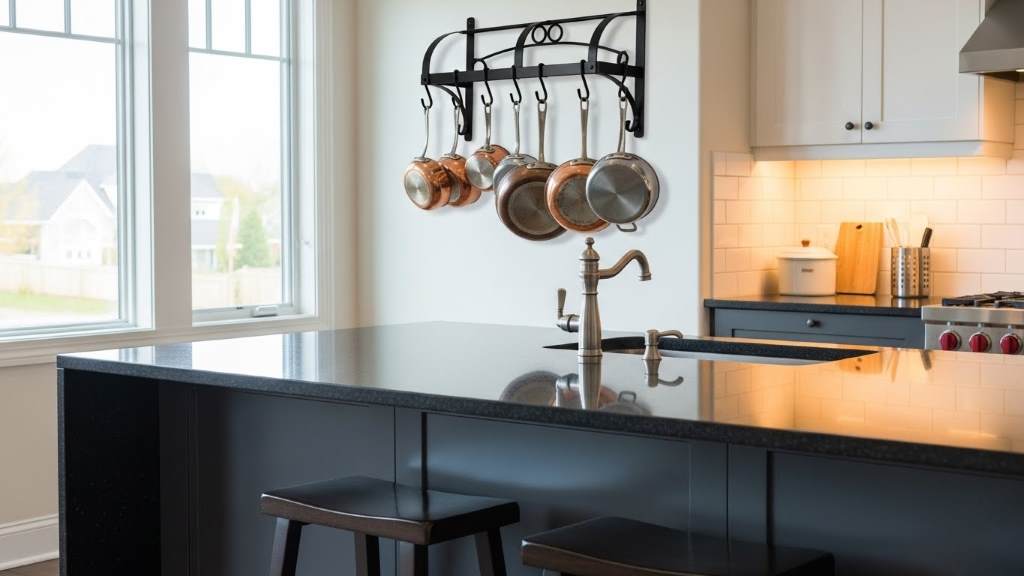
Wall-mounted racks hold pots. Magnetic strips secure knives.
Appliance garages conceal small gadgets. Pull-down shelves reach high cabinets.
Dining nooks use benches with storage. Foldable tables expand for guests.
According to manufacturers, stackable containers organize pantries efficiently.
Related:
- What Lighting Improves Mood
- Modern Masculinity: Redefining the Gentleman’s Daily Routine
- Top 7 Must-Have Accessories for the Modern Man in 2025
Bathroom Enhancements for Efficiency
Bathrooms in small apartments need smart tweaks. Over-toilet shelves add storage.
Shower caddies hang essentials. Tension poles create instant organization.
Mirrored cabinets expand visually while storing toiletries.
Towel bars on doors save wall space. Pedestal sinks free floor area.
Professionals recommend moisture-resistant materials for longevity.
Incorporating Plants and Greenery
Plants bring life to compact homes. Low-maintenance varieties suit busy lifestyles. Succulents thrive with minimal water.
Hanging planters use ceiling space. Wall pockets grow herbs.
Floor plants in corners add height. Snake plants purify air naturally.
Group pots on trays for easy care. Industry experts note benefits for mental health.
Art and Decor Personalization
Decor reflects personality. Mix frames on walls for eclectic looks.
Throw pillows swap seasonally for fresh vibes.
Sculptures on shelves add interest. Keep numbers low to prevent clutter.
Textiles like rugs and curtains soften hard surfaces.
Based on design standards, balance colors and textures for harmony.
Budget-Friendly Tips
Design on a dime works. Thrift stores offer unique finds. Repaint furniture for updates.
DIY shelves from wood planks save money. Upcycle jars for storage.
Shop sales for quality pieces. Layer lighting with affordable lamps.
Experts suggest investing in key items like mattresses for long-term value.
Sustainable Design Choices
Eco-friendly options last longer. Bamboo furniture renews quickly.
LED lights cut energy use. Recycled materials in rugs reduce waste.
Organic fabrics avoid chemicals. Professionals promote these for healthier homes.
Tech Integration for Modern Living
Smart devices streamline routines. Voice assistants control lights.
Compact chargers hide cords. Wall-mounted speakers save space.
Home hubs manage security. According to tech guidelines, secure networks first.
Seasonal Updates for Freshness
Refresh spaces yearly. Summer linens lighten rooms. Winter throws add warmth.
Rotate art for new energy. Holiday decor fits small scales.
Industry recommendations include neutral bases for easy changes.
Common Mistakes to Avoid
Overfilling rooms blocks flow. Measure twice before buying.
Ignoring scale dwarfs or overwhelms. Match furniture to room size.
Poor lighting creates shadows. Layer sources evenly.
Neglecting maintenance leads to wear. Clean regularly.
Experts warn against trendy fads; choose timeless styles.
Conclusion
These ideas turn your one-bedroom apartment into a personalized haven. Start small: assess your space, pick multifunctional pieces, and add personal touches. You create a home that fits your life perfectly. Ready to redesign? Grab a tape measure and begin today. Your ideal space awaits.
FAQs
How do I make a small one-bedroom apartment feel larger?
Use light colors on walls and floors. Add mirrors to reflect light. Choose multifunctional furniture to reduce clutter. Keep pathways clear for easy movement.
What furniture works best in a one-bedroom setup?
Opt for sofa beds, ottomans with storage, and foldable desks. These pieces serve multiple roles without taking extra space.
Which colors suit a cozy bedroom in an apartment?
Calming blues and greens promote relaxation. Neutrals like beige provide warmth. Test samples in your lighting first.
How can I add storage without renovations?
Use under-bed drawers, wall shelves, and over-door organizers. These solutions fit existing spaces easily.
Are plants good for small apartments?
Yes, they improve air quality and add life. Choose low-maintenance types like succulents for busy schedules.
What’s the best lighting for a one-bedroom home?
Layer overhead, task, and ambient lights. Dimmable LEDs offer flexibility and energy savings.
How do I design on a budget?
Shop thrift stores, DIY projects, and sales. Focus on versatile pieces that last.
Can tech improve apartment living?
Smart devices control lighting and security. They save space and add convenience.
What mistakes do people make in small-space design?
Overcrowding with furniture, ignoring scale, and poor organization. Plan layouts carefully to avoid them.
How often should I update my apartment decor?
Seasonally for freshness. Keep core elements neutral for easy changes.