
Babies learn and grow through play, making toys an essential part of their development. But with the overwhelming variety of toys on the market, it can be challenging to choose the right ones for your little one. Additionally, as your baby grows, you’ll need to consider when to transition out of certain items, such as knowing what age to stop using playpen. This guide will walk you through the key factors to consider when selecting toys for your baby, ensuring their safety, enjoyment, and developmental growth.
Age Appropriateness: Matching Toys to Developmental Milestones
The first and most crucial factor to consider is your baby’s age. Toys that are too advanced can be frustrating or even dangerous, while toys that are too simple won’t provide enough stimulation.
- Newborns (0-3 months): Focus on toys that stimulate the senses, such as mobiles, rattles, and soft books with high-contrast patterns.
- Infants (3-6 months): At this stage, babies start to reach and grasp, so look for toys that encourage these skills, like activity gyms, grasping toys, and teething rings.
- Babies (6-9 months): As babies become more mobile, they’ll enjoy toys that encourage crawling and exploration, like soft blocks, balls, and push-pull toys.
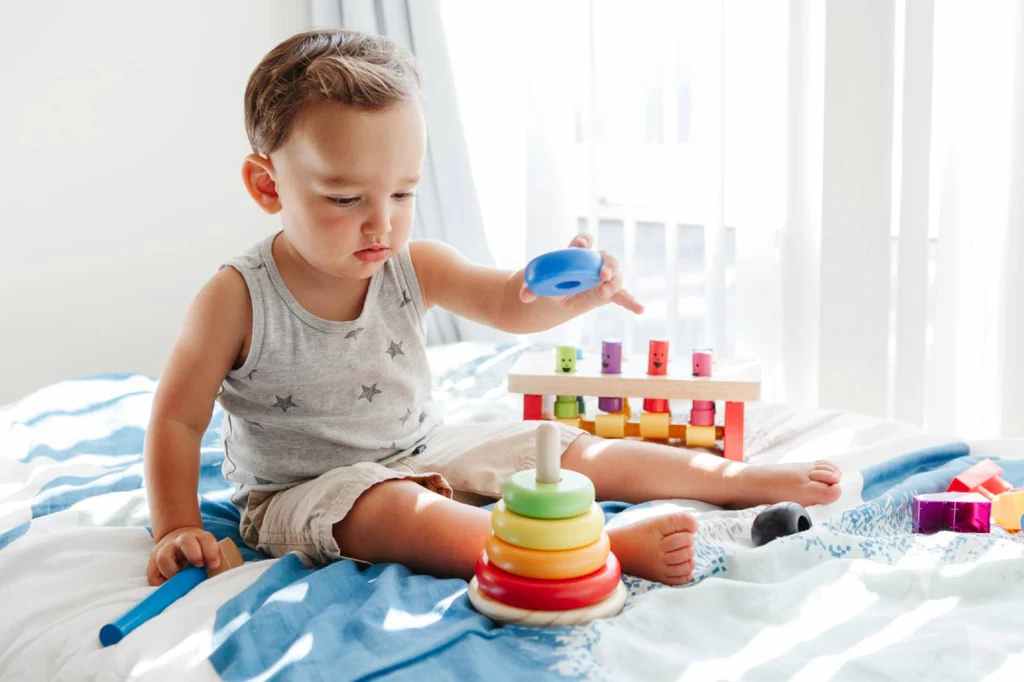
- Toddlers (9-12 months): At this age, babies start to develop fine motor skills, so choose toys that promote these, such as stacking toys, shape sorters, and simple puzzles.
Remember, these are just general guidelines. Every baby develops at their own pace, so observe your child’s interests and abilities to find toys that are the right fit.
Safety First: Avoiding Hazards
Safety is paramount when choosing toys for babies. Here are some key safety considerations:
- Size: Avoid toys with small parts that could pose a choking hazard. A good rule of thumb is to ensure any toy or part of a toy is larger than your baby’s fist.
- Materials: Choose toys made from non-toxic materials, especially if your baby is still mouthing objects. Look for toys labeled as BPA-free, phthalate-free, and lead-free.
- Durability: Babies can be rough on toys, so opt for sturdy, well-made toys that won’t break easily.
- Sharp edges or points: Avoid toys with sharp edges or points that could injure your baby.
- Strings or cords: Avoid toys with long strings or cords that could pose a strangulation hazard.
- Batteries: If the toy requires batteries, ensure the battery compartment is securely fastened with a screw to prevent your baby from accessing the batteries.
Always supervise your baby during playtime, even with toys deemed safe for their age.
Stimulating Development: Choosing Toys that Encourage Growth
Toys play a vital role in a baby’s development, fostering various skills and abilities. Look for toys that promote the following:
- Sensory development: Toys that engage the senses, such as those with different textures, sounds, and colors, help babies learn about the world around them.
- Motor skills: Toys that encourage reaching, grasping, crawling, and walking help babies develop gross and fine motor skills.
- Cognitive development: Toys that challenge babies to think, problem-solve, and explore help foster cognitive growth.
- Language development: Toys that introduce new words and concepts, such as talking toys and books, help babies develop language skills.
- Social-emotional development: Toys that encourage pretend play and interaction with others help babies develop social and emotional skills.
Variety is Key: Offering a Range of Play Experiences
Don’t limit your baby to just one type of toy. Offer a variety of toys to provide a range of play experiences and stimulate different areas of development.
Consider including:
- Active toys: These encourage movement and physical activity, such as balls, push toys, and ride-on toys.
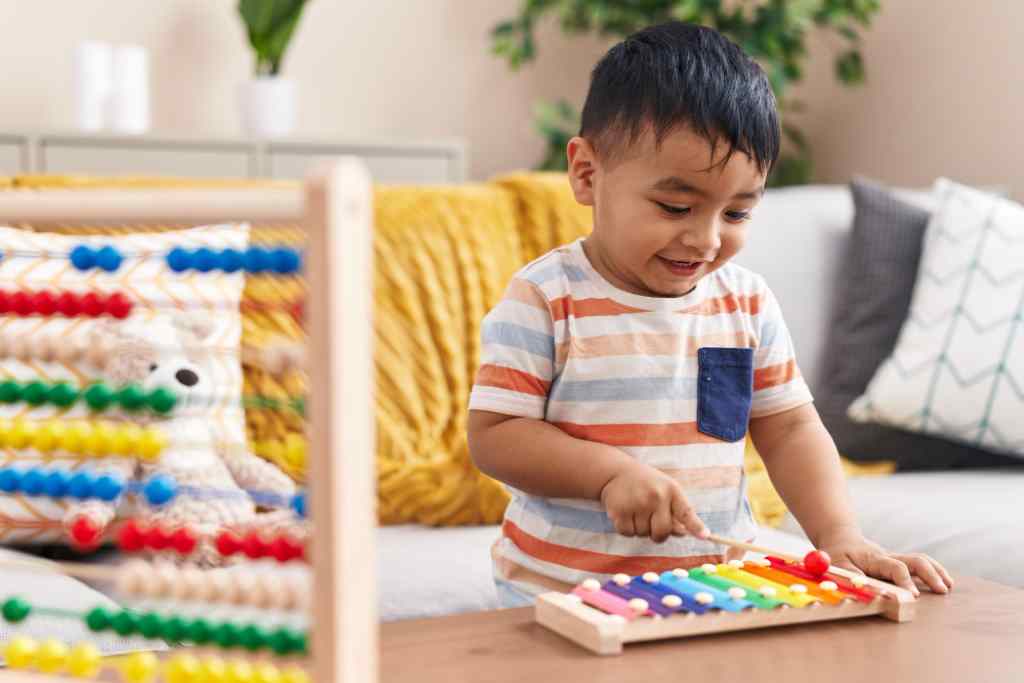
- Creative toys: These foster imagination and self-expression, such as crayons, playdough, and musical instruments.
- Constructive toys: These promote problem-solving and spatial reasoning, such as blocks, stacking toys, and puzzles.
- Pretend play toys: These encourage social and emotional development, such as dolls, kitchen sets, and tool sets.
Open-Ended Toys: Sparking Creativity and Imagination
Open-ended toys, those without a specific purpose or outcome, are particularly valuable for babies. They encourage creativity, imagination, and problem-solving as babies explore different ways to play with them. Examples include:
- Blocks: Babies can stack, build, and knock down blocks, exploring concepts like balance and gravity.
- Scarves and fabrics: Babies can drape, hide, and peek through fabrics, stimulating their senses and imagination.
- Balls: Babies can roll, chase, and throw balls, developing motor skills and hand-eye coordination.
- Containers and scoops: Babies can fill, empty, and transfer objects between containers, exploring concepts like volume and spatial relationships.
Quality Over Quantity: Investing in Well-Made Toys
While it’s tempting to fill your baby’s play area with an abundance of toys, it’s often better to focus on quality over quantity. Invest in a few well-made, durable toys that will last and provide long-term value.
Consider Your Baby’s Individuality: Choosing Toys that Match Their Interests
Every baby is unique, with their own personality and preferences. Pay attention to your baby’s interests and choose toys that align with them. If your baby loves music, consider musical toys. If they’re fascinated by animals, choose animal-themed toys.
Cleaning and Maintenance: Keeping Toys Safe and Hygienic
Babies tend to put everything in their mouths, so it’s essential to keep their toys clean and hygienic. Regularly wash or wipe down toys according to the manufacturer’s instructions. Avoid toys that are difficult to clean or have crevices where dirt and germs can accumulate.
Second-Hand Toys: Exercising Caution
While second-hand toys can be a budget-friendly option, exercise caution when choosing them. Ensure they are in good condition, with no broken parts or missing pieces. Thoroughly clean and disinfect second-hand toys before giving them to your baby.
The Gift of Play: Choosing Toys Thoughtfully
When choosing toys for your baby, remember that play is a precious gift. Choose toys thoughtfully, considering their safety, developmental value, and ability to spark joy and wonder in your little one. By selecting the right toys, you can create a stimulating and enriching play environment that fosters your baby’s growth and happiness.