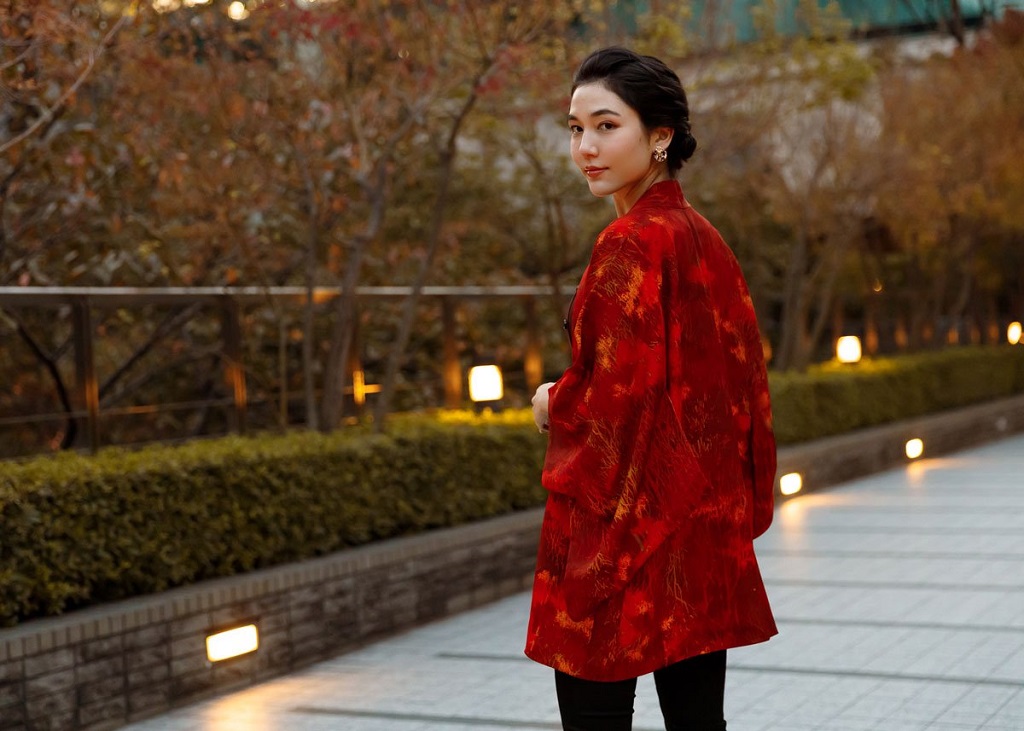


Fashion should never come at the expense of comfort. Yet, too many people sacrifice one for the other, ending up in outfits that either restrict movement or lack personality. The truth is, comfortable everyday clothing doesn’t require a trade-off. With the right choices, you can feel at ease and look polished all day long.
Did you know that 72% of people admit to changing outfits multiple times a day due to discomfort? According to a survey by Vogue Business, ill-fitting clothes, scratchy fabrics, and restrictive cuts are the top culprits. But it doesn’t have to be this way. The key lies in understanding your body, prioritizing quality fabrics, and mastering the art of layering.
This guide will walk you through the essentials of selecting clothing that feels as good as it looks. From fabric choices to fit tips, you’ll learn how to build a wardrobe that supports your lifestyle without compromising style. By the end, you’ll know exactly how to curate a collection of comfortable everyday clothing that makes getting dressed a joy—not a chore.
Why Comfort Should Never Be an Afterthought
Comfort is the foundation of great style. When you feel good in your clothes, you move with confidence, focus on your day, and project an effortless aura. Conversely, uncomfortable clothing distracts you, drains your energy, and even affects your mood.
A study by Harvard Business Review found that people who wear comfortable clothing report higher productivity and lower stress levels. This isn’t surprising: when your clothes don’t pinch, ride up, or irritate your skin, you’re free to tackle your day with ease.
Expert Insight: “Comfort is the new luxury,” says fashion consultant Emma Reynolds. “It’s not about slouching in sweatpants. It’s about finding pieces that move with you, breathe with you, and make you feel like the best version of yourself.”
Step 1: Prioritize Fabric—The Foundation of Comfort
The fabric of your clothing determines how it feels against your skin, how it breathes, and how it moves with you. Not all materials are created equal, so it’s essential to choose wisely.
Best Fabrics for Comfortable Everyday Clothing:
- Cotton: Soft, breathable, and hypoallergenic, cotton is a staple for everyday wear. Opt for organic cotton for even greater comfort and sustainability.
- Linen: Lightweight and airy, linen is perfect for warm weather. It wrinkles easily, but that’s part of its relaxed charm.
- Bamboo: Naturally moisture-wicking and silky smooth, bamboo fabric is ideal for sensitive skin and active lifestyles.
- Merino Wool: Unlike traditional wool, merino is soft, non-itchy, and temperature-regulating. It’s great for layering in all seasons.
- Tencel: Made from wood pulp, Tencel is eco-friendly, breathable, and incredibly soft. It’s a fantastic alternative to synthetic fabrics.
Fabrics to Avoid:
- Polyester: While durable, polyester traps heat and moisture, leading to discomfort, especially in warm weather.
- Nylon: Often used in activewear, nylon can feel stiff and clingy if not blended with softer fibers.
- Cheap Blends: Low-quality fabric blends pill easily, lose shape, and irritate the skin.
Real-Life Example: A survey by Consumer Reports found that 89% of people prefer natural fabrics for everyday wear due to their breathability and softness.
Professional Tip: Always check the fabric label. Look for high percentages of natural fibers, and avoid anything with more than 20% synthetic content unless it’s blended for stretch or durability.
Step 2: Master the Fit—Clothes That Move With You
Even the softest fabric won’t feel comfortable if the fit is wrong. Ill-fitting clothes restrict movement, dig into your skin, and create unnecessary bulk. The goal is to find pieces that skim your body without clinging or sagging.
Key Fit Tips for Comfortable Everyday Clothing:
- Shoulders: Seams should sit at the edge of your shoulders, neither pulling nor slipping off.
- Sleeves: Sleeves should end at your wrist bone, allowing for easy arm movement.
- Waistbands: Avoid tight elastic that digs into your skin. Look for adjustable or wide waistbands that distribute pressure evenly.
- Length: Pants and skirts should graze the top of your shoes without dragging. Tops should be long enough to stay tucked in if needed.
- Ease: Clothes should have enough room to move freely. Test by raising your arms, sitting down, and bending over.
Real-Life Example: Athleisure brands like Lululemon and Athleta have built empires on the principle of “four-way stretch,” proving that comfort and style can coexist.
Expert Insight: “Fit is personal,” says stylist Daniel Carter. “Don’t get hung up on sizes. Focus on how the clothing feels and moves with your body.”
Step 3: Choose the Right Silhouettes for Your Lifestyle
Your daily activities should dictate your clothing choices. A stay-at-home parent needs different pieces than an office worker or a fitness enthusiast. The right silhouettes support your routine while keeping you comfortable.
Silhouettes for Different Lifestyles:
- Office Workers: Opt for structured yet stretchy pieces like wrap dresses, tailored knit blazers, and pull-on trousers.
- Stay-at-Home Parents: Prioritize easy-to-wash, durable fabrics like jersey knits, relaxed-fit jeans, and oversized sweaters.
- Fitness Enthusiasts: Look for moisture-wicking, breathable fabrics with flat seams to prevent chafing.
- Remote Workers: Embrace cozy yet polished pieces like soft cardigans, elastic-waist pants, and slip-on loafers.
- Travelers: Choose wrinkle-resistant fabrics, layering pieces, and versatile neutrals that mix and match easily.
Real-Life Example: The rise of “workleisuire”—a blend of workwear and athleisure—shows how modern professionals prioritize comfort without sacrificing professionalism.
Professional Tip: Build a capsule wardrobe around your lifestyle. Invest in 10-15 high-quality pieces that can be mixed and matched for any occasion.

Step 4: Layer Like a Pro—Comfort Meets Versatility
Layering is the secret to adapting your outfit to changing temperatures and activities. The right layers keep you comfortable indoors and out, without requiring a complete wardrobe change.
Layering Essentials for Comfortable Everyday Clothing:
- Base Layer: Start with a fitted, breathable top like a cotton tee or merino wool long-sleeve.
- Mid Layer: Add a cardigan, lightweight sweater, or vest for warmth and texture.
- Outer Layer: Finish with a structured jacket, trench coat, or puffer vest, depending on the weather.
- Bottoms: Opt for stretchy, breathable fabrics like ponte knit pants or relaxed-fit jeans.
Real-Life Example: Scandinavian fashion is renowned for its layering techniques, which allow people to stay comfortable in fluctuating climates.
Expert Insight: “Layering is an art,” says fashion blogger Sarah Johnson. “Start with thin layers and build up. You can always remove a piece if you get too warm.”
Step 5: Footwear—The Unsung Hero of Comfort
Uncomfortable shoes can ruin even the most perfect outfit. Your feet carry you through the day, so it’s crucial to choose footwear that supports and cushions them.
Best Shoes for Comfortable Everyday Clothing:
- Sneakers: Opt for stylish, supportive sneakers with arch support and cushioned soles. Brands like Allbirds and Vejas offer fashionable options.
- Loafers: Slip-on loafers with padded insoles are perfect for office or casual wear.
- Ankle Boots: Choose boots with low heels, flexible soles, and roomy toe boxes.
- Sandals: Look for sandals with contoured footbeds and adjustable straps. Birkenstocks and Tevas are popular for a reason.
- Flats: Ballet flats with memory foam insoles provide comfort without sacrificing style.
Footwear to Avoid:
- High Heels: Reserve these for special occasions. Daily wear can lead to foot pain and posture issues.
- Flip-Flops: Lack of support can cause arch and heel pain over time.
- Stiff, Unbroken Shoes: Always break in new shoes before wearing them for extended periods.
Real-Life Example: Podiatrists report a 40% increase in foot-related issues among people who wear unsupportive shoes daily.
Professional Tip: Invest in quality insoles or orthotics if you spend long hours on your feet. Your feet—and your back—will thank you.
Step 6: Accessorize for Comfort and Style
Accessories can elevate your outfit while adding functionality. The right accessories enhance comfort, whether it’s a supportive bag, a cozy scarf, or the perfect pair of sunglasses.
Comfort-Focused Accessories:
- Bags: Opt for crossbody bags or backpacks with padded straps. Avoid heavy totes that strain your shoulders.
- Scarves: Lightweight scarves add warmth without bulk. Cashmere or silk blends are ideal for year-round wear.
- Belts: Choose elastic or adjustable belts that don’t dig into your waist.
- Jewelry: Stick to lightweight, hypoallergenic metals to avoid skin irritation.
- Hats: A well-fitted hat protects you from the sun while adding a stylish touch.
Real-Life Example: The popularity of fanny packs and crossbody bags reflects a shift toward hands-free, comfortable accessories.
Expert Insight: “Accessories should serve a purpose,” says stylist Rebecca Lee. “If it’s not comfortable or functional, it’s not worth wearing.”
Casual Fashion Tips: Elevating Comfortable Everyday Clothing
Comfortable clothing doesn’t have to mean frumpy. With a few styling tricks, you can look polished and put-together while feeling cozy.
Tips to Style Comfortable Clothing:
- Play with Proportions: Pair oversized tops with fitted bottoms, or vice versa, to create balance.
- Add Structure: Layer a blazer over a soft tee or throw a belt over a flowy dress to add definition.
- Choose a Cohesive Color Palette: Stick to neutrals or complementary colors for a streamlined look.
- Invest in Tailoring: A few simple alterations can transform an okay outfit into a fantastic one.
- Accessories Matter: A statement watch, sleek sunglasses, or a stylish bag can elevate even the simplest outfit.
Real-Life Example: The “quiet luxury” trend—think cashmere sweaters, tailored trousers, and minimalist accessories—proves that comfort and elegance go hand in hand.
Professional Tip: “Dress for the life you live,” advises fashion editor Olivia Martinez. “If you’re always on the go, prioritize stretch and ease. If you’re in meetings all day, opt for polished comfort.”
Expert Reviews: What the Pros Wish You Knew
We asked fashion experts for their top tips on selecting comfortable everyday clothing:
- Emma Reynolds, Fashion Consultant: “Comfort starts with the right undergarments. Invest in seamless, breathable fabrics that move with you.”
- Daniel Carter, Stylist: “Don’t underestimate the power of a good pair of leggings. Look for high-waisted, squat-proof styles with pockets.”
- Sarah Johnson, Fashion Blogger: “Natural fibers are your best friend. They breathe, they move, and they feel amazing against your skin.”
- Rebecca Lee, Wardrobe Stylist: “Comfort is subjective. What works for one person might not work for another. Always prioritize how you feel.”
Related Topics:
7 FAQs About Comfortable Everyday Clothing
- How do I find clothes that are both comfortable and stylish?
Look for pieces with clean lines, quality fabrics, and a relaxed fit. Brands like Eileen Fisher, Everlane, and Uniqlo excel in this area. - What’s the best fabric for sensitive skin?
Organic cotton, bamboo, and Tencel are hypoallergenic and gentle on the skin. - How can I make my workwear more comfortable?
Opt for stretchy fabrics, elastic waistbands, and breathable layers. Knit blazers and pull-on trousers are game-changers. - Are there comfortable shoes that don’t look like sneakers?
Absolutely! Loafers, ankle boots, and ballet flats with cushioned insoles offer comfort without sacrificing style. - How do I build a capsule wardrobe for comfort?
Start with neutral basics like soft tees, relaxed jeans, and cozy cardigans. Add a few statement pieces for variety. - What’s the most versatile comfortable outfit?
A pair of high-quality leggings, a breezy tunic, and a lightweight jacket works for everything from errands to casual meetings. - How do I keep comfortable clothes looking fresh?
Follow care instructions, wash in cold water, and avoid overloading the dryer. Hang or fold clothes properly to maintain their shape.
Conclusion: Comfort Is the Ultimate Luxury
Comfortable everyday clothing isn’t a trend—it’s a lifestyle. When your clothes feel good, you feel good, and that confidence radiates in everything you do. The key is to prioritize fabrics that breathe, fits that flatter, and styles that adapt to your routine.
Remember, fashion should serve you, not the other way around. Whether you’re dressing for work, play, or relaxation, comfort is always in style.
Ready to upgrade your wardrobe? Start by evaluating your current pieces. Keep what feels good, donate what doesn’t, and invest in quality basics that support your lifestyle. Your most comfortable, stylish self is just a few outfits away!