
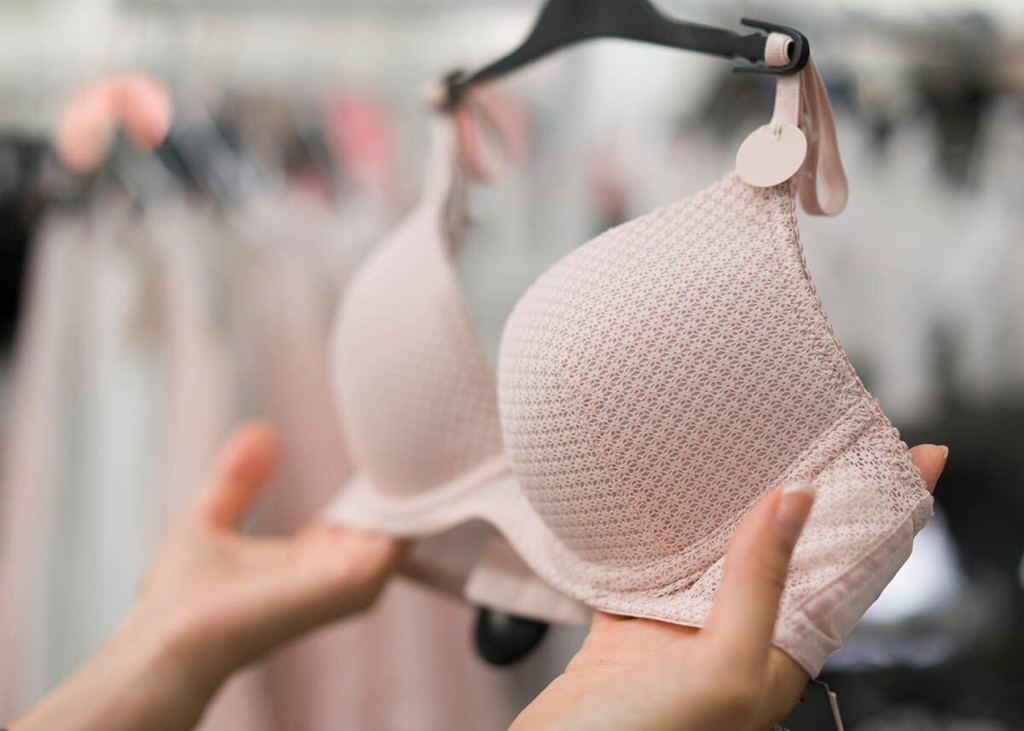
Finding the right bra size can feel like navigating a complex maze. Too often, we rely on outdated measurements or generic sizing charts, leading to discomfort, poor support, and even health issues. But achieving the perfect fit isn’t an impossible dream. This comprehensive guide will equip you with the knowledge and practical tips to accurately measure yourself and confidently select bras that provide unparalleled comfort and support.
Why Proper Bra Size Matters: Beyond Aesthetics
Beyond just enhancing your silhouette, a well-fitting bra plays a crucial role in your overall well-being.
Incorrect bra sizes can lead to a multitude of issues, including:
- Back Pain: A bra that’s too loose in the band provides inadequate support, forcing your back to shoulder the burden. Bras that are too tight can also dig into your skin and cause discomfort.
- Shoulder Grooves: Straps that dig into your shoulders are a classic sign of a poorly fitted bra. This often occurs when the band isn’t providing enough support.
- Sagging and Breast Tissue Damage: Inadequate support can lead to premature sagging and stretching of breast tissue, potentially causing long-term damage.
- Poor Posture: An ill-fitting bra can contribute to slouching and poor posture, affecting your overall alignment.
- Discomfort and Irritation: Underwires digging, straps slipping, and bands chafing are common complaints associated with incorrect bra sizes.
- Breathing Difficulties: A bra that’s too tight can restrict your ribcage, making it difficult to breathe deeply.
Therefore, investing time in finding your accurate bra size is an investment in your health and comfort.
The Essential Tools for Accurate Measurement
Before embarking on your measurement journey, gather the following tools:
- Flexible Measuring Tape: A soft, flexible measuring tape is crucial for accurate measurements. Avoid using metal measuring tapes, as they can be rigid and inaccurate.
- Well-Fitting, Non-Padded Bra: Wear a bra that provides minimal shaping and support. This will ensure your measurements are as accurate as possible.
- Mirror: A mirror will help you ensure the measuring tape is level and positioned correctly.
- Pen and Paper (or a Digital Notepad): To record your measurements.
Step-by-Step Guide to Measuring Your Bra Size
Follow these detailed steps to obtain accurate measurements:
-
Band Measurement:
- Stand upright with your arms relaxed at your sides.
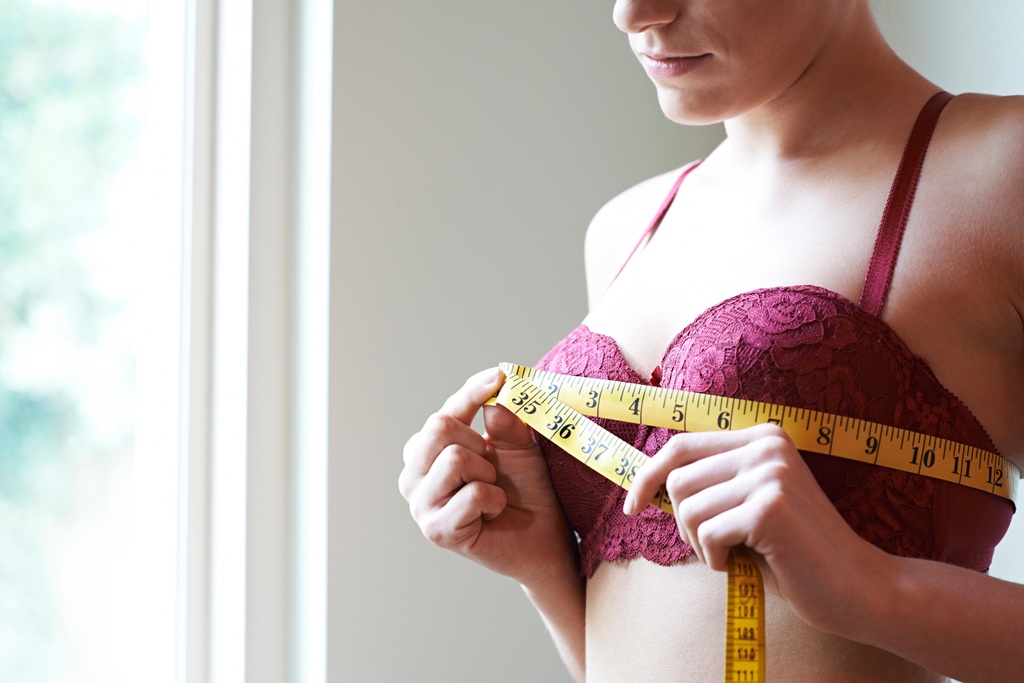
- Wrap the measuring tape snugly around your ribcage, directly underneath your breasts, where the bra band typically sits.
- Ensure the tape is level and snug, but not too tight.
- Exhale and record the measurement in inches.
- Adjusting the Band Measurement: If your measurement is an even number, add 0 inches. If it’s an odd number, add 1 inch. This adjusted number is your band size. Example: if you measure 33 inches, add 1 inch and your band size is 34.
-
Bust Measurement:
- Wrap the measuring tape loosely around the fullest part of your bust, ensuring it’s level and not digging into your skin.
- The measuring tape should be parallel to the floor.
- Record the measurement in inches.
-
Cup Size Calculation:
- Subtract your band measurement from your bust measurement.
- The difference between these two measurements determines your cup size:
- 1 inch = A cup
- 2 inches = B cup
- 3 inches = C cup
- 4 inches = D cup
- 5 inches = DD (or E) cup
- 6 inches = DDD (or F) cup
- And so on…
Example:
- Band measurement: 34 inches
- Bust measurement: 38 inches
- Difference: 4 inches
- Cup size: D cup
- Therefore your bra size is 34D.
Related: The Definitive Guide to Properly Washing and Storing Your Bras to Extend Their Lifespan
Beyond the Numbers: Understanding Bra Fit and Shape
While measurements provide a starting point, understanding your breast shape and the nuances of bra fit is equally important.
Breast Shapes:
- Round: Even fullness on top and bottom.
- Teardrop: Fuller on the bottom than the top.
- East West: Nipples pointing outwards.
- Side Set: Wide gap between breasts.
- Asymmetric: One breast is larger than the other.
- Slender: Long and thin breasts.
- Bell Shaped: Fuller bottom and narrower top.
Knowing your breast shape helps you choose bra styles that provide optimal support and shaping.
Key Fit Indicators:
- Band: The band should fit snugly around your ribcage, providing the majority of the support. You should be able to fit two fingers underneath the band.
- Cups: The cups should fully encase your breasts without any gaping or spillage.
- Center Gore: The center gore (the piece of fabric between the cups) should lie flat against your sternum.
- Straps: The straps should provide minimal support, primarily preventing the cups from slipping. They should sit comfortably on your shoulders without digging.
- Underwire: The underwire should follow the natural curve of your breasts, without digging into your side or breast tissue.
Tips for Choosing the Right Bra Style
Different bra styles cater to various needs and preferences:
- T-Shirt Bra: Seamless and smooth, ideal for everyday wear.
- Push-Up Bra: Enhances cleavage and provides lift.
- Balconette Bra: Provides lift and support, creating a rounded shape.
- Sports Bra: Offers maximum support during physical activity.
- Strapless Bra: Provides support without straps, ideal for strapless outfits.
- Bralette: Offers light support and comfort, perfect for lounging.
- Maternity/Nursing Bra: Provides comfort and support during pregnancy and breastfeeding.
Related: Decoding the Lingerie Drawer: A Comprehensive Guide to Different Bra Styles and Their Uses
Sister Sizing: Finding Your Alternative Fit
Sister sizing involves adjusting both the band and cup size to find a better fit. If your current bra size doesn’t feel quite right, consider trying a sister size:
- To go up a band size: Go down a cup size. Example: If 34C is too tight, try 36B.
- To go down a band size: Go up a cup size. Example: If 34C is too loose, try 32D.
People Also Ask (FAQs)
- How often should I measure my bra size?
- It’s recommended to measure your bra size every 6-12 months, as your body can change due to weight fluctuations, hormonal changes, or age.
- Can I measure my bra size by myself?
- Yes, you can measure your bra size by yourself using the steps outlined in this guide.
- What if I’m between sizes?
- Try both sizes and choose the one that feels most comfortable and supportive. Consider sister sizing.
- Are all bra sizes the same across different brands?
- No, bra sizes can vary slightly between brands. It’s essential to try on bras from different brands to find the best fit.
- What is the best type of bra for large breasts?
- Full-coverage bras, minimizer bras, and bras with wider straps and bands are ideal for larger breasts, providing maximum support.
- How do I know if my bra is too tight?
- Signs of a too-tight bra include red marks on your skin, difficulty breathing, and discomfort.
- How do I know if my bra is too loose?
- Signs of a too-loose bra include the band riding up your back, straps slipping, and gaping cups.
Related: Choosing the Right High Impact Sports Bra
Conclusion: Embracing Your Perfect Fit
Finding the right bra size is an ongoing journey of self-discovery. By understanding your measurements, breast shape, and fit indicators, you can confidently choose bras that provide unparalleled comfort, support, and confidence. Remember that bra sizing is not an exact science. Take the time to experiment with different styles and brands to find what works best for you. With the right knowledge and tools, you can finally say goodbye to ill-fitting bras and embrace the comfort and confidence that comes with a perfectly fitted bra.