

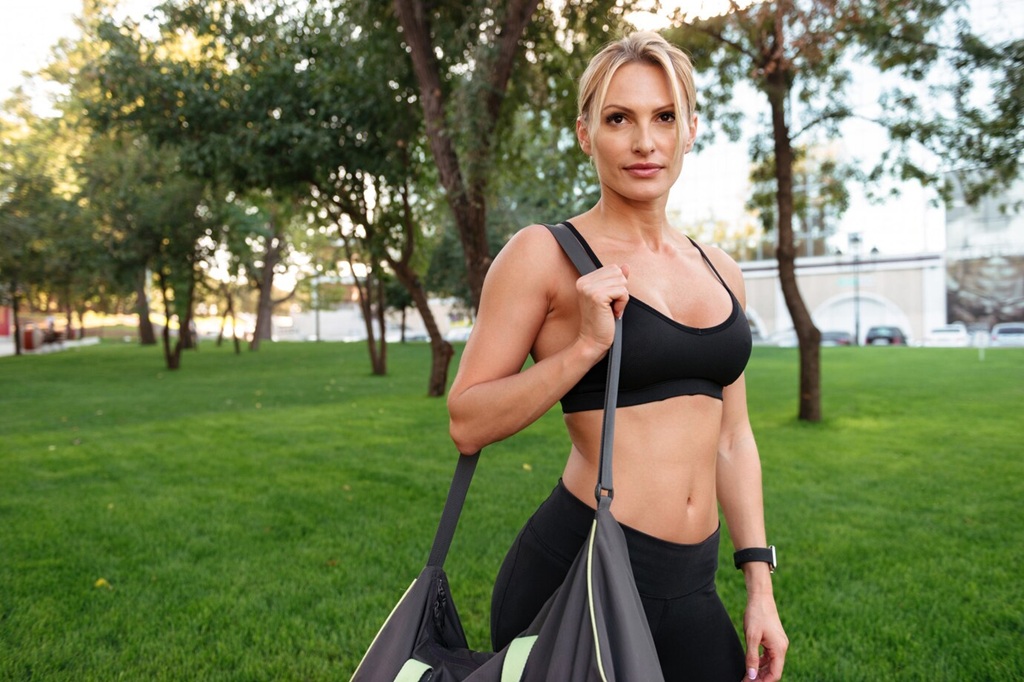
Embarking on any fitness journey, whether it’s gentle yoga, pounding the pavement in Chittagong, or hitting the gym for some high-intensity training, requires the right gear. We often focus on shoes and apparel, but one crucial piece of equipment, especially for women, is frequently overlooked or poorly chosen: the sports bra. It’s not just about comfort; the right sports bra is essential for support, preventing pain, and even protecting long-term breast health.
Choosing incorrectly can lead to discomfort, chafing, pain, and may even discourage you from exercising altogether. But navigating the world of sports bras – with terms like impact levels, compression, and encapsulation – can feel overwhelming. Fear not! This guide is here to demystify the process and help you find the perfect sports bra that feels like it was made just for you, empowering you to move with confidence and comfort.
Understanding Your Needs: Activity and Body
Before diving into the specifics of bra construction, the first step is understanding what you need. Not all sports bras are created equal because not all activities (or bodies) are the same. The two primary considerations here are the impact level of your chosen activity and your individual breast size and shape.
Paragraph detailing Activity Impact Level: Think about the type of movement involved in your workout. Sports bras are typically categorized by the level of support they offer, corresponding to the intensity or “impact” of the activity.
- Low-Impact: These activities involve minimal bouncing or breast movement. Think walking, yoga, Pilates, strength training, or simply lounging. Low-impact bras prioritize comfort and flexibility, often featuring softer fabrics, thinner straps, and less structured designs. They allow for a greater range of motion, essential for practices like yoga.
- Medium-Impact: Activities like cycling (road or spin), skiing, brisk hiking, dancing, or using an elliptical trainer fall into this category. These involve more movement than low-impact activities but less jarring motion than high-impact ones. Medium-impact bras strike a balance, offering more compression or structure than low-impact bras but still allowing for comfortable movement. They might feature wider straps or firmer bands.
- High-Impact: This is where significant breast movement occurs. Running, aerobics, HIIT (High-Intensity Interval Training), jumping sports (like basketball or netball), and mountain biking demand the most support. High-impact sports bras are engineered to minimize bounce significantly, often using robust materials, wider bands and straps, defined cup structures (encapsulation), or strong compression, sometimes a combination of both, to keep everything secure. Without adequate support during high-impact exercise, you risk discomfort, pain, and potential damage to the Cooper’s ligaments – the connective tissues that support the breasts.
Paragraph detailing Breast Size and Shape: Your cup size plays a significant role in the type and level of support you’ll need. Women with larger busts generally require more support, even for lower-impact activities, to manage movement and maintain comfort. High-impact bras with features like encapsulation (separate cups), wider adjustable straps, and secure closures are often recommended. Conversely, women with smaller busts might find sufficient support from compression styles or medium-impact bras even for some higher-intensity workouts, though high-impact activities like running still benefit from dedicated high-support bras regardless of cup size to prevent tissue damage. Breast shape can also influence fit; some styles might suit shallower or fuller shapes better, making trying on different designs crucial.
Key Features to Look For: Deconstructing the Sports Bra
Once you know the impact level and have considered your size, it’s time to look at the specific features that contribute to a bra’s performance and comfort. Understanding these components will help you evaluate potential options effectively.
Paragraph detailing Support Type: Sports bras primarily offer support through two main mechanisms: compression and encapsulation, or sometimes a combination.
- Compression Bras: These are often the simpler, pull-over styles resembling crop tops. They work by pressing the breasts firmly against the chest wall, treating the bust as one unit to limit movement. They are generally best suited for low-to-medium impact activities and smaller cup sizes (A/B cups). While effective for reducing bounce, they can sometimes create a flattened, “uni-boob” appearance.
- Encapsulation Bras: These bras feature individual cups, much like traditional lingerie bras. Each breast is supported separately, providing shape, definition, and support without excessive compression. This style is often preferred for medium-to-high impact activities and is generally better for larger cup sizes (C cup and above) as it effectively controls movement for each breast individually. Many high-impact bras utilize this method.
- Combination Bras: Many modern high-impact sports bras combine both methods, offering encapsulation through defined cups along with an element of compression for maximum bounce control and support. These often provide the highest level of support for rigorous activities and larger busts.
Paragraph detailing Band: The band that runs horizontally around your rib cage, just beneath your breasts, is arguably the most critical component for support – experts estimate it provides the vast majority (around 80-90%) of the bra’s support. It needs to be snug and firm, but not uncomfortably tight or restrictive to your breathing. A good test is to fit two fingers comfortably between the band and your body, but no more. The band should sit level all the way around your torso; if it rides up your back, it’s likely too loose (or the straps need adjusting). Wider bands generally offer more support than narrow ones. Many sports bras feature hook-and-eye closures like regular bras, allowing for greater adjustability and a customized, secure fit, which can be especially beneficial as the bra ages or if your weight fluctuates slightly.
Paragraph detailing Cups: If the bra has distinct cups (encapsulation style), they should fully contain your breast tissue without spillage over the top, sides, or bottom. The fabric should lie smoothly against your skin; wrinkles or gaps usually indicate the cup is too large, while spillage means it’s too small. Scoop your breasts into the cups when trying the bra on to ensure they are properly seated. Any underwire (present in some encapsulation styles) should sit flat against your rib cage, below the breast tissue, without digging in or poking.
Paragraph detailing Straps: While the band provides most of the support, the straps play a crucial role in stabilizing the bust and controlling vertical movement. They should feel secure and comfortable on your shoulders, without digging in or slipping off. Again, you should be able to fit two fingers comfortably between the strap and your shoulder. Adjustable straps are highly recommended as they allow you to customize the fit and level of support. Wider straps tend to distribute weight more evenly and offer greater comfort, especially for larger busts, compared to narrower straps. Strap designs vary – common styles include racerback (where straps meet between the shoulder blades, often offering good support and freedom of movement) and scoop-back or U-back (similar to traditional bras). Padded straps can enhance comfort during high-impact activities.
Paragraph detailing Material & Wicking: Exercise means sweat, and the fabric of your sports bra is vital for comfort. Look for bras made from moisture-wicking synthetic blends, such as polyester, nylon, and spandex (Lycra/elastane). These technical fabrics pull sweat away from your skin to the fabric’s surface, where it can evaporate quickly, keeping you cooler and drier. Cotton, while soft, should generally be avoided for activewear as it absorbs moisture and stays wet, which can lead to chafing and feeling cold post-workout. Breathability is also key; look for features like mesh panels in high-sweat areas (like the back or between the breasts) to enhance ventilation.
Paragraph detailing Chafing Prevention: Chafing – painful skin irritation caused by friction – can ruin a workout. A well-fitting bra made from smooth, moisture-wicking material is the first line of defense. Pay attention to seams; look for bras with smooth, flatlock seams, or even seamless construction, especially on the inside of the cups and band where friction is most likely. Ensure any closures (hooks, zippers) are covered with soft fabric backing to prevent them from digging into your skin.
Related: Finding Your Perfect Fit: What Size Sports Bra is a 36C?
The Fitting Process: Finding Your Match
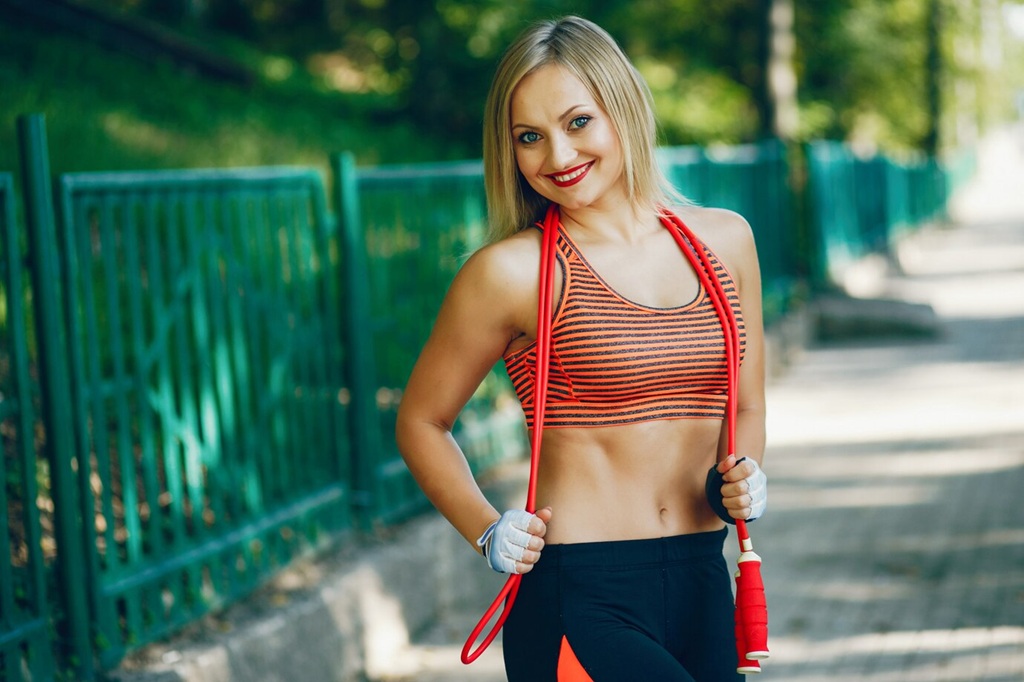
Knowing the features is one thing; finding a bra that incorporates them and fits you perfectly is another. Sizing can vary between brands, so relying solely on your everyday bra size might not be accurate. Measuring yourself and, crucially, trying bras on are essential steps.
Paragraph detailing Measuring Yourself: While not foolproof (due to brand variations), measuring can give you a starting point. You’ll need a soft tape measure.
- Band Size: Measure snugly around your rib cage, directly underneath your bust where the bra band sits. Keep the tape level. Round this measurement down to the nearest whole inch (some guides say round up or down to the nearest number, but snug is key for the band). Use a brand’s specific size chart to convert this rib cage measurement into your band size (e.g., 31 inches might correspond to a 34 band).
- Bust Measurement: Measure around the fullest part of your bust, keeping the tape level across your back and not too tight. Round up to the nearest whole inch.
- Cup Size: Subtract your rib cage measurement (Step 1) from your bust measurement (Step 2). The difference in inches typically corresponds to a cup size (e.g., 1 inch = A, 2 inches = B, 3 inches = C, 4 inches = D, 5 inches = DD/E, etc.). Again, consult the specific brand’s size chart, as calculation methods can differ.
Paragraph detailing Trying On & Fit Checks: Measurement is just a guide; the real test is trying the bra on. Put it on correctly, ensuring your breasts are fully contained within the cups (scoop them in!). Then, perform these checks:
- Band Check: Is it snug and level? Can you fit two fingers underneath, but not more? Raise your arms overhead – does the band stay put, or ride up? If it rides up, try a smaller band size (you might need to go up a cup size to maintain volume – this is called sister sizing).
- Cup Check: Is there spillage (too small) or wrinkling/gapping (too big)? The cups should encapsulate your breasts smoothly.
- Strap Check: Are they comfortable, not digging or slipping? Adjust them for a secure feel (two-finger rule applies here too).
- Movement Test: This is vital! Jump up and down, jog in place, swing your arms. Do your breasts feel securely held and supported? Is there any pain or excessive movement (some movement is natural, but it should feel significantly reduced and controlled)? If it doesn’t feel supportive enough, you likely need a higher impact bra, a different style, or a different size. Check for any chafing points during movement.
Related: Finding Your Perfect Fit: How Do I Know What Size Sports Bra I Need?
Knowing When It’s Time for a Replacement
Even the best sports bra won’t last forever. Like running shoes, sports bras lose their supportive qualities over time due to wear, washing, and stretching of the elastic fibers. Using a worn-out bra compromises support and can lead to discomfort.
Paragraph detailing Signs of Wear and Tear: Look out for signs that your bra is past its prime. Is the band loose, even on the tightest hook? Do the straps stretch out easily or lose their adjustability? Is the fabric thinning, pilling, or showing visible elastic fibers? Have the cups lost their shape? Are you noticing increased bounce or less support during activities where it previously felt fine? Is it starting to chafe in places it didn’t before? These are all indicators that the bra’s elasticity and structure have degraded, and it’s time for a replacement. Even if it looks okay, if it no longer provides the support you need, its functional life is over.
Paragraph detailing General Timeframe: The lifespan of a sports bra depends heavily on how often you wear and wash it, the intensity of your activities, and how many bras you rotate. As a general guideline, experts suggest replacing your sports bras every 6 to 12 months, or after approximately 30-40 washes. If you exercise frequently, having several bras to rotate can extend the life of each one. Don’t wait for obvious failure; proactive replacement ensures you always have the support you need. You can potentially downgrade a high-impact bra that’s lost some support to use for lower-impact activities, but don’t rely on it for demanding workouts. Proper care (washing in cold water, avoiding fabric softener and tumble dryers) can also help maximize its lifespan.
Related: The Unbra-lievable Comfort: Finding the Bra That Feels Like Nothing At All
People Also Ask (FAQs)
Here are answers to some common questions about sports bras:
-
Can I wear two sports bras for extra support?
While some people do this, it’s generally not recommended. It often indicates that neither bra fits properly or provides adequate support on its own. Layering can also trap excessive heat and moisture, leading to discomfort and chafing. Investing in one high-quality, correctly fitting high-impact bra designed for your size and activity level is a much better solution.
-
What’s the difference between a regular bra and a sports bra?
Regular bras are designed primarily for shape and everyday support under clothing. Sports bras are technical garments engineered specifically to minimize breast movement during physical activity. They use different construction methods (compression/encapsulation), more robust and moisture-wicking materials, wider bands/straps, and fuller coverage to provide significantly more support and control than everyday bras, protecting breast tissue from excessive motion and potential damage.
-
How tight should a sports bra be?
A sports bra should feel snugger than a regular bra, but it should not restrict breathing or feel painfully tight. The band should be firm against the rib cage (allowing two fingers underneath), the cups should contain the breasts without spillage, and the straps should be secure without digging in. It should feel securely supportive when you move, but not constricting.
-
How often should I wash my sports bra?
Ideally, you should wash your sports bra after every wear, especially after sweaty workouts. Sweat, oils, and bacteria can build up, leading to odors and degrading the elastic fibers over time. Washing promptly helps maintain hygiene and prolong the bra’s functional life. Follow care label instructions – typically cold wash, gentle cycle, no fabric softener, and air dry.
-
Are underwire sports bras good?
Underwire sports bras can offer excellent separation and support, particularly for larger busts, as they often fall into the encapsulation category. The wire helps lift and define each breast. However, fit is crucial. The underwire must sit flat against the rib cage below the breast tissue and not poke or dig in. Some people find them uncomfortable, while others prefer the structured support they provide. It comes down to personal preference and finding a well-fitting model.
Conclusion: Invest in Your Comfort and Health
Choosing the right sports bra is far more than a matter of comfort – it’s an investment in your performance, confidence, and long-term breast health. By understanding your activity’s impact level, considering your body’s unique needs, paying attention to key features like the band, straps, cups, and material, and taking the time to find the perfect fit, you can unlock a new level of comfort and security during exercise. Don’t underestimate the difference a great sports bra can make. It allows you to focus on your workout, push your limits, and enjoy movement without pain or distraction. Take the time to find your perfect match – your body will thank you for it every time you move.