

Finding the perfect sports bra can feel like searching for a unicorn – elusive, magical, and something you swear doesn’t exist. But just like that mythical creature, the right sports bra does exist, and it’s essential for comfortable, supportive, and injury-free workouts. From high-impact HIIT sessions to gentle yoga flows, your breasts deserve the proper support to minimize bounce, prevent discomfort, and even safeguard breast health.
This comprehensive guide will demystify the process of choosing a sports bra, focusing on the crucial aspect of body type. Because let’s face it, a one-size-fits-all approach simply doesn’t work when it comes to something as personal as breast support. We’ll delve into the nuances of different body shapes, helping you understand what features to look for to ensure your sports bra is a true ally in your fitness journey.
Why Your Sports Bra Matters (More Than You Think)
Before we dive into body types, let’s briefly reiterate why investing time in finding the right sports bra is non-negotiable:
- Minimizes Bounce and Discomfort: This is the most obvious benefit. Excessive breast movement during exercise can be painful and distracting, hindering your performance and enjoyment.
- Prevents Ligament Damage: The breasts are supported by Cooper’s ligaments. Without adequate support, these ligaments can stretch and even tear, leading to irreversible sagging (ptosis).
- Reduces Back and Shoulder Pain: Larger breasts, in particular, can put significant strain on the back and shoulders during exercise. A well-fitting sports bra distributes weight more evenly, alleviating this pressure.
- Boosts Confidence and Performance: When you’re comfortable and feel adequately supported, you’re more likely to push yourself harder and enjoy your workout.
- Enhances Breathability and Moisture Management: Good sports bras are made from moisture-wicking fabrics that keep you dry and comfortable, preventing chafing and irritation.
Understanding Support Levels: The Foundation of Your Choice
Before considering your body type, it’s crucial to understand the three primary support levels for sports bras:
- Low Impact: Ideal for activities like yoga, Pilates, walking, or strength training with minimal jumping. These bras offer light compression and often feature thinner straps and less structured cups.
- Medium Impact: Suitable for activities like cycling, brisk walking, elliptical training, or dancing. They provide more compression and support than low-impact bras, often with wider straps and a more secure band.
- High Impact: Designed for intense activities such as running, HIIT, CrossFit, jumping, or equestrian sports. These bras offer maximum compression, encapsulation (separate cups), and robust support features to minimize bounce.
Your activity level will always dictate the minimum support level you need, but your body type will refine that choice and help you pinpoint the perfect bra.
Choosing by Body Type: Your Personalized Guide
Now, let’s get down to the nitty-gritty of matching a sports bra to your unique physique.
-
The Small to Average Bust (A-B Cup)
If you have a smaller or average bust, you have a wider range of options, but that doesn’t mean you should skimp on support!
Key Considerations:
- Minimizing bounce is still important: Even smaller breasts can experience discomfort and ligament strain.
- Comfort is paramount: You don’t need excessive compression that feels restrictive.
- Style options abound: You can often get away with more playful designs and strap configurations.
Recommended Sports Bra Features:
- Support Levels: Low to medium impact bras will often suffice. For high-impact activities like running, a medium to high-impact bra is still recommended.
- Strap Types: Racerback designs are excellent for distributing weight and allowing full range of motion. Criss-cross and traditional H-back straps also work well.
- Padding (Optional): Light padding can offer shape and modesty, but it’s not essential for support.
- Fabric: Look for moisture-wicking, breathable fabrics like nylon, spandex, or blends.
- Construction: Compression bras (where a single panel compresses both breasts against the chest) can be very effective and comfortable for smaller busts. Encapsulation bras (with separate cups) are also a good option for added shape and definition.
Tips:
- Don’t just grab the cheapest option. A well-constructed low-impact bra will still offer better comfort and longevity.
- Experiment with different back designs to see what feels most comfortable and secure for your activity.
-
The Full Bust (C-D Cup)
For those with a fuller bust, finding adequate support is crucial to prevent pain, discomfort, and long-term damage.
Key Considerations:
- Maximum bounce control: This is your primary goal.
- Even weight distribution: To alleviate pressure on the shoulders and back.
- Comfort and breathability: To prevent chafing and irritation.
Recommended Sports Bra Features:
- Support Levels: High impact is almost always recommended for any activity beyond walking. Even for yoga, a medium-impact bra might be more comfortable.
- Strap Types: Wide, padded, and adjustable straps are non-negotiable. These distribute weight evenly and prevent digging into the shoulders. Cross-back or H-back designs offer excellent support. Avoid thin or spaghetti straps.
- Construction: Encapsulation bras (with separate cups) are superior for full busts. They contain each breast individually, preventing “uni-boob” and offering superior bounce control. Many high-impact bras combine encapsulation with compression for ultimate support.
- Band: A wide, firm underband is critical. It provides the majority of the support. Look for a band that stays put and doesn’t ride up.
- Adjustability: Adjustable straps and a hook-and-eye closure at the back allow for a customized, secure fit.
- Fabric: Strong, supportive, moisture-wicking fabrics are essential. Mesh panels can enhance breathability.
Tips:
- Always try on several different styles and brands. What works for one person with a full bust might not work for another.
- “Test drive” the bra by performing some jumping jacks or running in place in the changing room.
- Consider bras specifically designed for large cup sizes, as they often have reinforced features.
-
The Plus-Size Body (All Cup Sizes)
Choosing a sports bra for a plus-size body involves similar considerations to a full bust, but with added emphasis on band comfort, coverage, and overall fit.
Key Considerations:
- Extended sizing: Ensure the brand offers a wide range of band and cup sizes.
- Underband stability: A wide, comfortable, and non-rolling underband is critical.
- Full coverage: To prevent spillage and chafing.
- Breathability: Plus-size individuals may experience more sweating, making breathable fabrics and strategic mesh panels important.
Recommended Sports Bra Features:
- Support Levels: High impact for most activities.
- Strap Types: Wide, padded, and fully adjustable straps are paramount. Racerback designs with a secure closure can be very effective.
- Construction: Encapsulation and a combination of encapsulation/compression bras are ideal. Look for designs that offer excellent side support to prevent spillage.
- Band: A very wide, firm, and comfortable underband is crucial. Look for multiple hook-and-eye closures for extra adjustability and security.
- Fabric: Durable, supportive, and highly moisture-wicking fabrics are essential. Consider bras with softer linings to prevent irritation.
- Design: Some plus-size sports bras feature a longer line or wider sides for added coverage and comfort.
Tips:
- Don’t be afraid to try on bras from dedicated plus-size activewear brands. They often specialize in features that cater to your needs.
- Pay close attention to how the band feels – it shouldn’t dig in, roll up, or feel too tight.
- Consider front-zip options if you have difficulty with traditional back closures.
Related: 10 Best Push-Up Bras That Add the Perfect Lift
The Athletic/Muscular Build
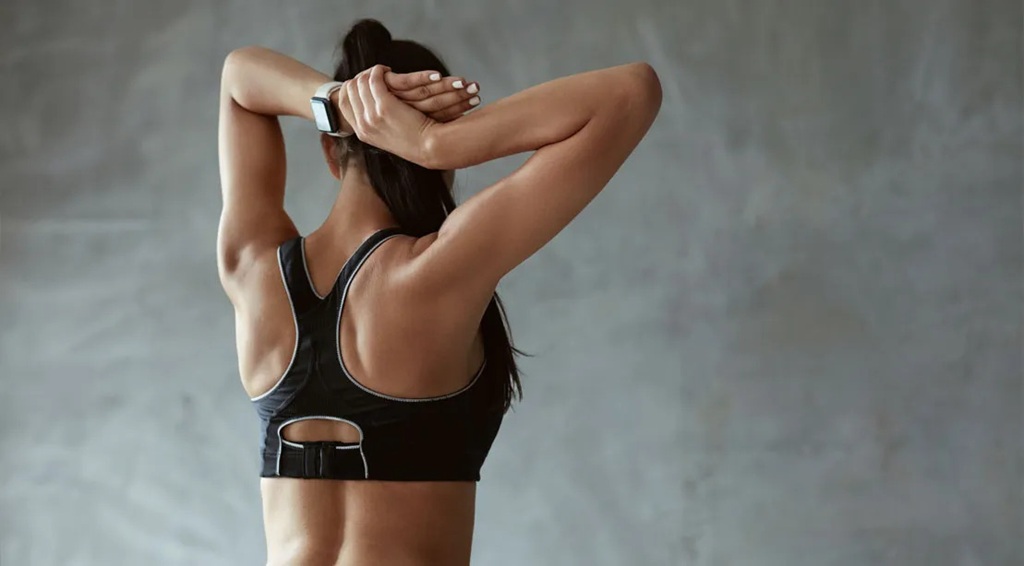
If you have a more athletic or muscular build, particularly around the lats and shoulders, you’ll want a sports bra that doesn’t restrict movement or chafe.
Key Considerations:
- Freedom of movement: Especially for activities like weightlifting, rowing, or swimming.
- Non-restrictive straps: To prevent digging into well-developed shoulder muscles.
- Comfort around the rib cage: Muscular builds can sometimes have a broader rib cage.
Recommended Sports Bra Features:
- Support Levels: Varies depending on bust size.
- Strap Types: Racerback designs are often excellent as they don’t interfere with shoulder blade movement. However, ensure the straps are wide enough not to dig in. H-back styles can also work well.
- Armholes: Look for armholes that are cut generously enough not to chafe or restrict.
- Band: A comfortable, non-restrictive band that lies flat against the rib cage is important.
- Fabric: Stretchy, yet supportive fabrics that allow for full range of motion.
Tips:
- Some athletes prefer bras with a lower cut back for enhanced mobility.
- Consider brands known for their performance-oriented activewear.
- If you have a smaller bust with an athletic build, you can often opt for stylish, less structured compression bras.
-
The Tall or Petite Frame
While not directly related to breast size, your overall height and torso length can influence how a sports bra fits.
Key Considerations:
- Strap length: Too long for petite frames, too short for tall frames.
- Band placement: Should sit directly under the bust, not too high or too low.
- Overall coverage: May differ based on torso length.
Recommended Sports Bra Features:
- Adjustability: Adjustable straps are vital for both tall and petite individuals to customize the fit.
- Band Design: Ensure the band width and placement work with your torso length. Some brands offer “longline” sports bras that might be preferable for taller individuals.
- Try on: This is especially important to ensure the bra sits correctly on your frame.
Tips:
- Petite individuals might find some high-impact bras with very wide bands feel too overwhelming.
- Tall individuals should pay attention to the overall length of the bra to ensure adequate coverage.
Related: Finding Your Perfect Fit: How Do I Choose a Good Sports Bra?
The Universal Rules for Finding the Perfect Sports Bra
Regardless of your body type, some golden rules apply to everyone:
- Measure Regularly: Your breast size can change due to weight fluctuations, hormonal shifts, pregnancy, and aging. Measure your band and bust size every 6-12 months.
- The Band is Key: The underband provides 80% of the support. It should be snug, level all the way around your torso, and not ride up. You should only be able to fit two fingers underneath it.
- Check the Straps: Straps should be supportive but not dig into your shoulders. They should primarily aid in stability, not lift.
- Cup Coverage: There should be no spillage over the top or sides of the cups. Your breasts should be fully contained.
- Test the Bounce: In the changing room, jump, jog, and move your arms. There should be minimal to no breast movement.
- Comfort is King: A sports bra shouldn’t cause pain, chafing, or digging. If it’s uncomfortable, it’s the wrong bra.
- Consider the Activity: Always match the support level to your most strenuous activity.
- Don’t Settle: The perfect sports bra might take some searching, but it’s worth the effort.
Conclusion
Choosing the perfect sports bra for your body type isn’t just about aesthetics; it’s about comfort, performance, and long-term breast health. By understanding your unique needs and focusing on the right features – from support level and strap design to band construction and fabric – you can unlock a world of confident, pain-free workouts.
Remember, your body is unique, and so should be your sports bra. Take the time to measure, try on different styles, and most importantly, listen to your body. Once you find that perfect fit, you’ll wonder how you ever worked out without it. Happy moving!