

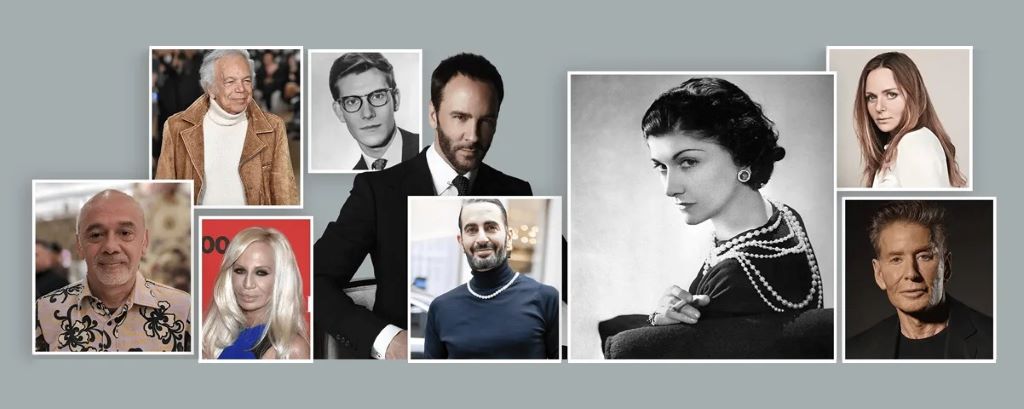
The global fashion industry is no longer a man’s world. Today, women dominate the catwalks, boardrooms, and creative studios of the world’s most prestigious fashion houses. The rise of female fashion designers marks a thrilling shift, blending innovation, empowerment, and cultural relevance into every thread and stitch.
In this article, we dive deep into the Top 10 Female Fashion Designers Making Global Waves—women whose talents, courage, and vision are rewriting the future of fashion. Get ready to meet the powerhouses redefining what it means to be stylish in a rapidly changing world.
These visionaries are not just creating clothes—they are crafting movements. From redefining luxury through sustainability to challenging outdated beauty norms, female designers are setting bold new standards. According to Business of Fashion, nearly 47% of leadership roles at major fashion houses are now held by women, a sharp climb from just a decade ago.
Their influence stretches far beyond fabric and runway lights. They shape conversations about feminism, environmental responsibility, and global diversity. They inspire new generations to dream bigger, design smarter, and fight for a more inclusive industry.
-
Donatella Versace: The Eternal Queen of Boldness
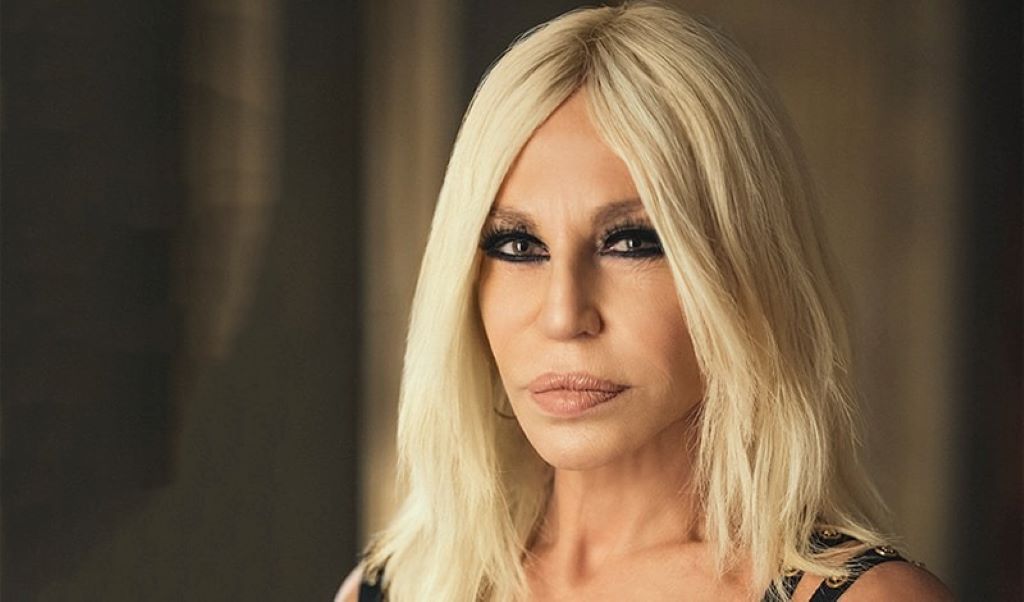
Donatella Versace has become a symbol of luxurious boldness. After taking the helm of Versace in 1997, she transformed the brand into a global powerhouse.
Statista reports that Versace’s revenue soared past $1 billion under her leadership in 2023. Her designs scream empowerment with unapologetic glamour. Critics applaud her ability to blend heritage with fierce modernity. Her collaborations with celebrities like Dua Lipa and Lady Gaga only amplify her global impact. No one captures the fearless spirit of contemporary fashion like Donatella.
-
Stella McCartney: Sustainability’s Supreme Leader
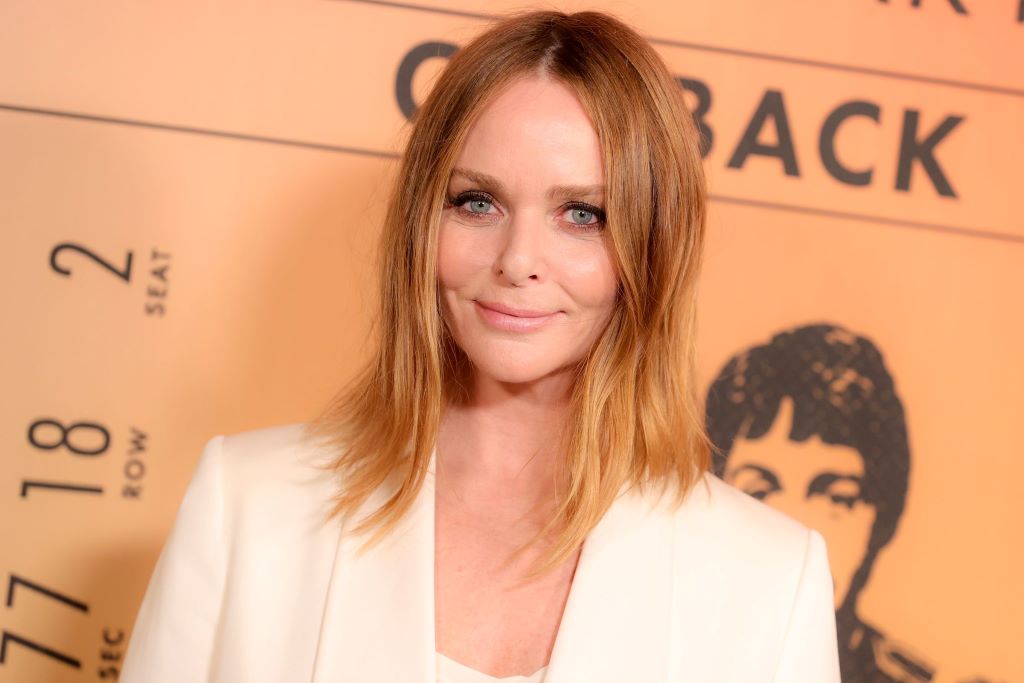
Stella McCartney has revolutionized eco-conscious fashion without compromising luxury. She was one of the first to ban animal leather and fur in high-end collections.
A Vogue Business report shows 64% of Gen Z shoppers favor brands championing sustainability, positioning McCartney ahead of competitors. Her designs marry sharp tailoring with guilt-free materials. Partnerships with Adidas and LVMH reflect her growing influence. McCartney’s brand now generates over $150 million annually, proving that sustainability is not just ethical but profitable.
-
Marine Serre: The Prophet of Futuristic Fashion
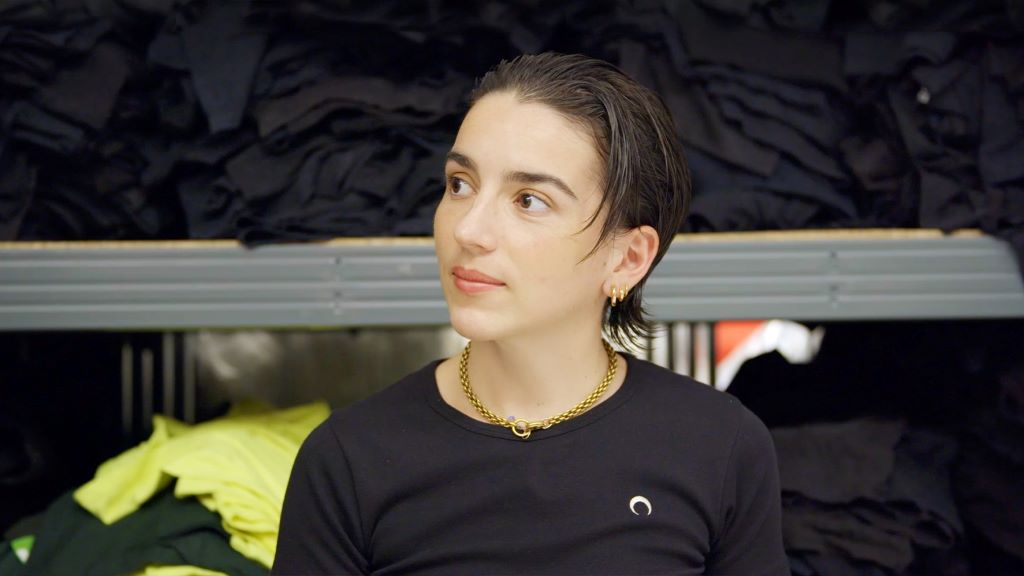
Marine Serre is the Parisian visionary mixing sci-fi aesthetics with urgent environmental narratives. Her signature crescent moon prints have become symbols of a new era.
According to Highsnobiety, Serre’s upcycled designs have seen a 300% surge in celebrity endorsements since 2022. Fashion critics hail her dystopian collections as both avant-garde and wearable. Beyoncé, Kendall Jenner, and Dua Lipa often sport her futuristic pieces. Serre’s commitment to climate positivity combined with edgy designs cements her global appeal.
-
Maria Grazia Chiuri: Dior’s First Female Creative Director
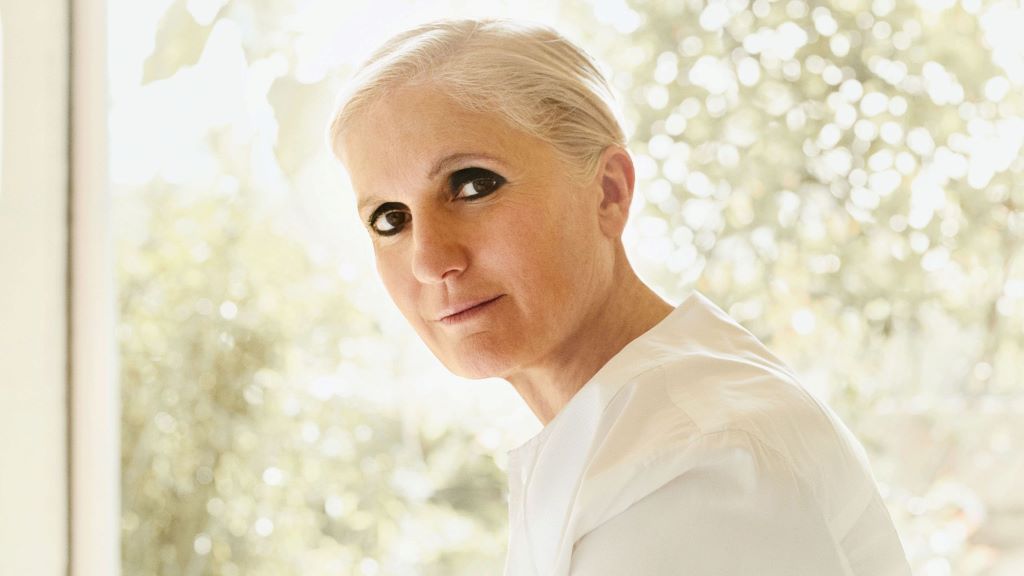
Maria Grazia Chiuri broke glass ceilings by becoming Dior’s first female creative director in 2016. She infused feminist themes into the brand’s DNA, with “We Should All Be Feminists” tees leading global conversations.
As reported by Harper’s Bazaar, Dior’s sales increased by 18% in 2023 under Chiuri’s leadership. Her collections blend romance, craftsmanship, and political activism, resonating strongly with modern consumers. Critics praise her ability to balance commercial appeal with deeper messages, making her one of the most influential designers today.
-
Simone Rocha: The Dream Weaver
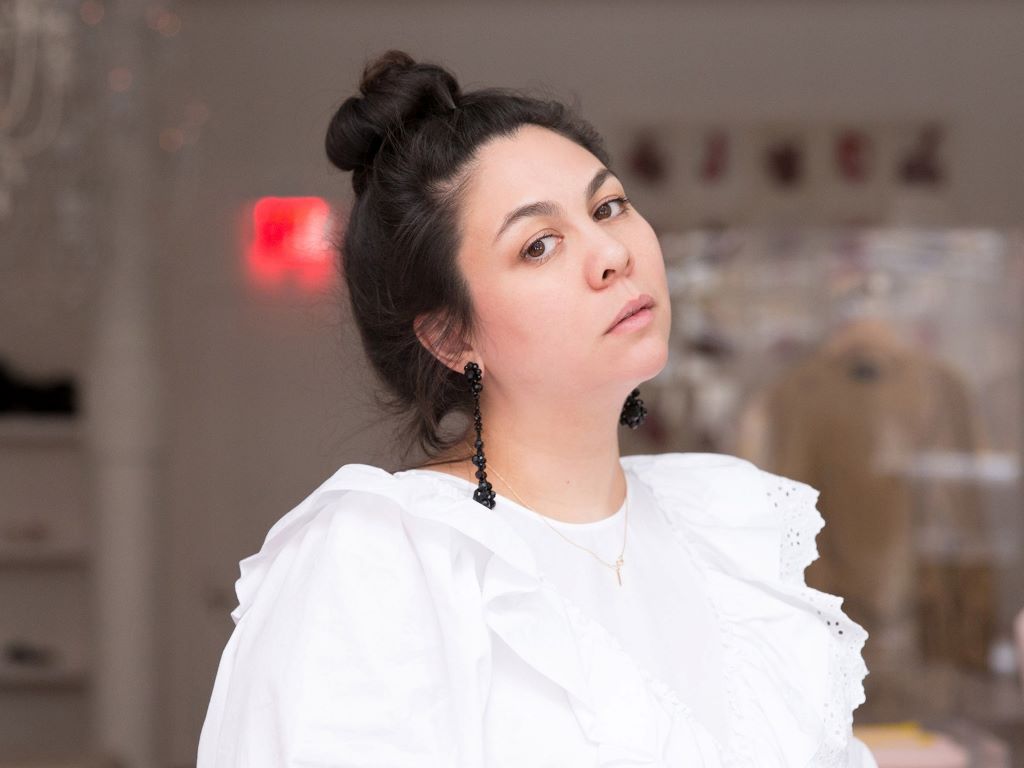
Simone Rocha, Dublin-born and London-based, crafts ethereal garments layered with intricate storytelling. Her collections often merge delicate femininity with gothic undertones.
A Business of Fashion survey notes Rocha’s steady rise, citing a 50% year-over-year sales increase among millennial consumers. Her collaborations with Moncler and H&M highlight her mainstream and luxury crossover appeal. Experts laud Rocha’s mastery of intricate fabrics, intricate beading, and emotional resonance in every design.
-
Gabriela Hearst: Champion of Slow Luxury
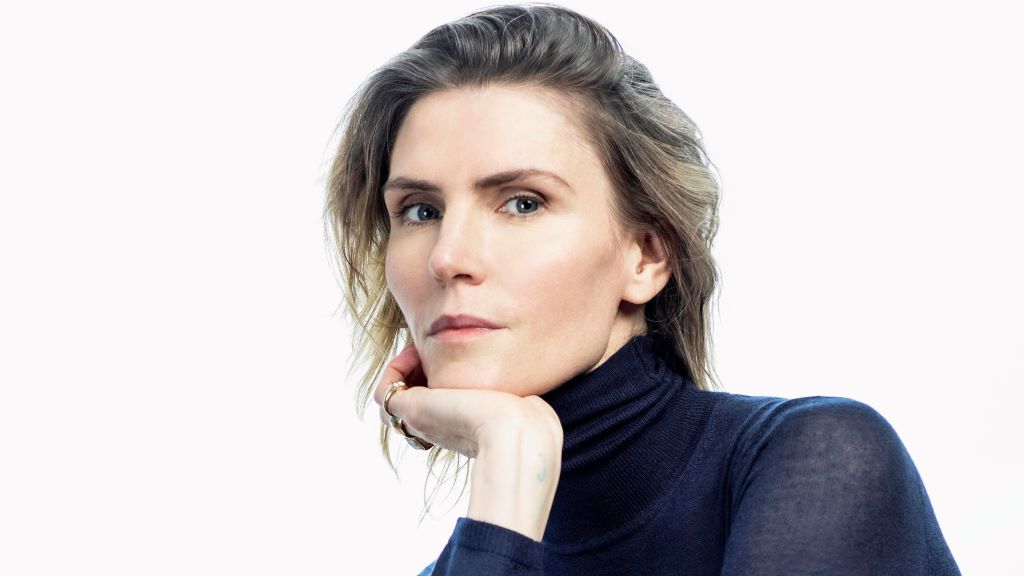
Gabriela Hearst advocates for slow fashion with a luxurious twist. The Uruguayan designer, now helming Chloé, stresses craftsmanship, eco-conscious sourcing, and minimalist sophistication.
According to WWD, Chloé’s revenue grew 12% post-Hearst’s arrival, fueled by ethical luxury enthusiasts. Her collections feature biodegradable fabrics and low-carbon production. Critics describe Hearst’s designs as “the thinking woman’s wardrobe,” offering sophistication without compromise. In a market hungry for authenticity, Hearst’s ethical approach earns her global respect.
-
Tory Burch: The Architect of Accessible Luxury
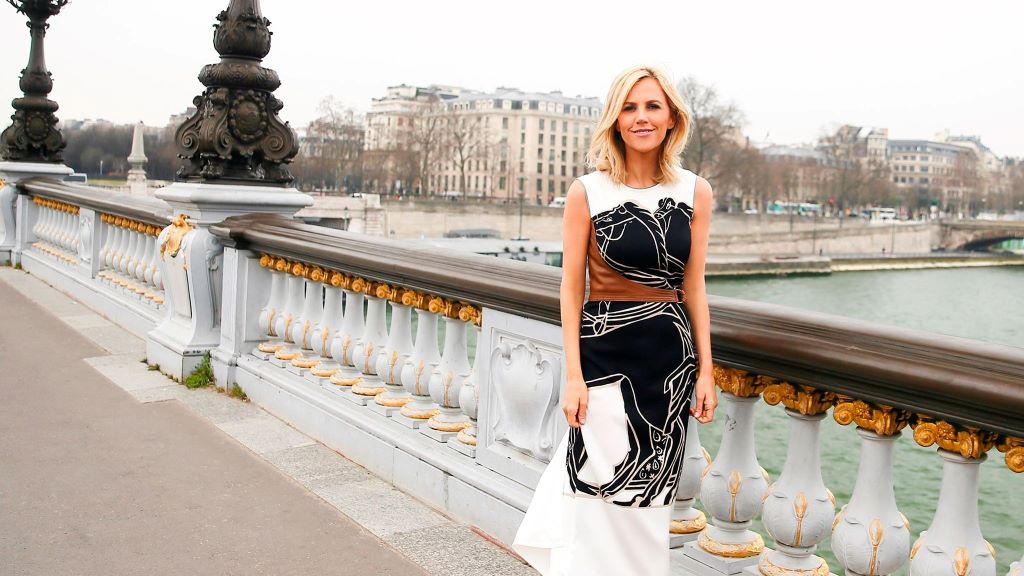
Tory Burch built an empire blending bohemian charm with luxury sensibility. Since launching her label in 2004, Burch has democratized designer fashion.
Forbes reports that the Tory Burch brand surpassed $1.5 billion in annual sales by 2024. Her classic ballet flats and effortless tunics became wardrobe staples for millions. Analysts credit Burch’s savvy digital strategies and commitment to women’s empowerment as major reasons for her staying power. Her work proves that accessibility and sophistication can coexist beautifully.
-
Rei Kawakubo: The Avant-Garde Empress
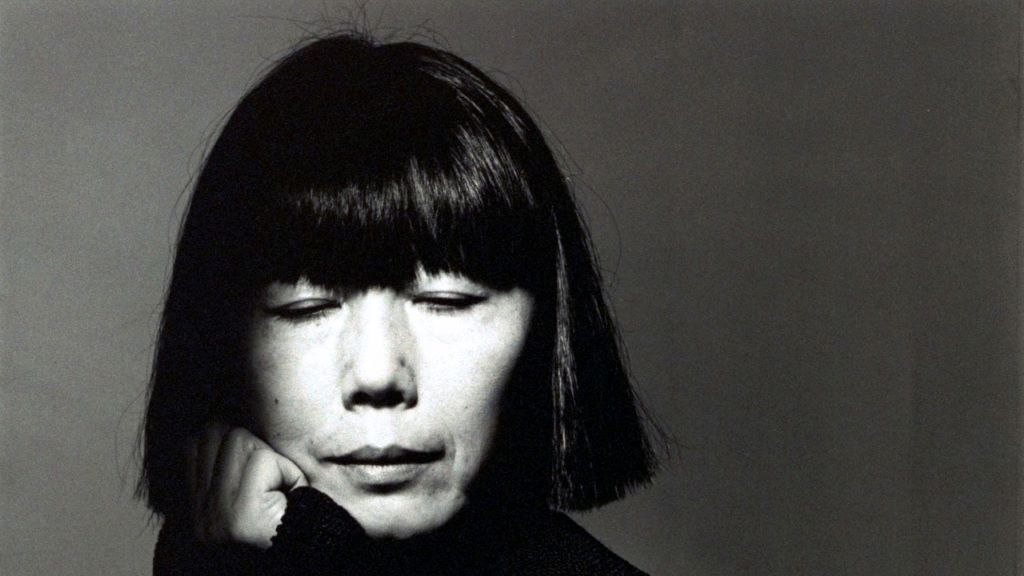
Though typically associated with Comme des Garçons, Rei Kawakubo’s influence remains more potent than ever. She defies traditional notions of beauty, creating wearable art instead of simple garments.
According to The New York Times, Kawakubo’s designs impact everything from museum exhibitions to streetwear collabs. Her groundbreaking 2017 Met Gala exhibition remains one of the institution’s highest-attended events. Critics call her “the soul of conceptual fashion,” inspiring designers across the globe to think beyond fabric and function.
-
Miuccia Prada: Intellectual Iconoclast
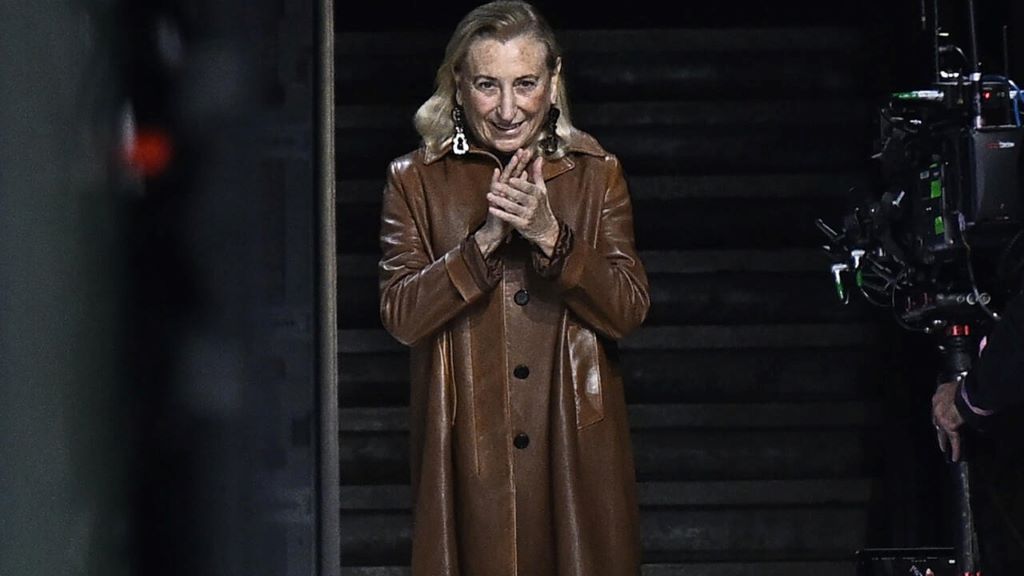
Miuccia Prada’s work embodies intellectual rebellion. She consistently challenges traditional aesthetics with unconventional beauty, and her influence remains unmatched.
Prada Group’s 2023 report revealed a 17% increase in global sales, largely credited to Miuccia’s dual role at Prada and Miu Miu. Analysts point to her genius in anticipating and defining cultural shifts. Critics say her ability to blend political commentary, youth culture, and luxury makes her a once-in-a-generation talent.
-
Phoebe Philo: The Comeback Queen
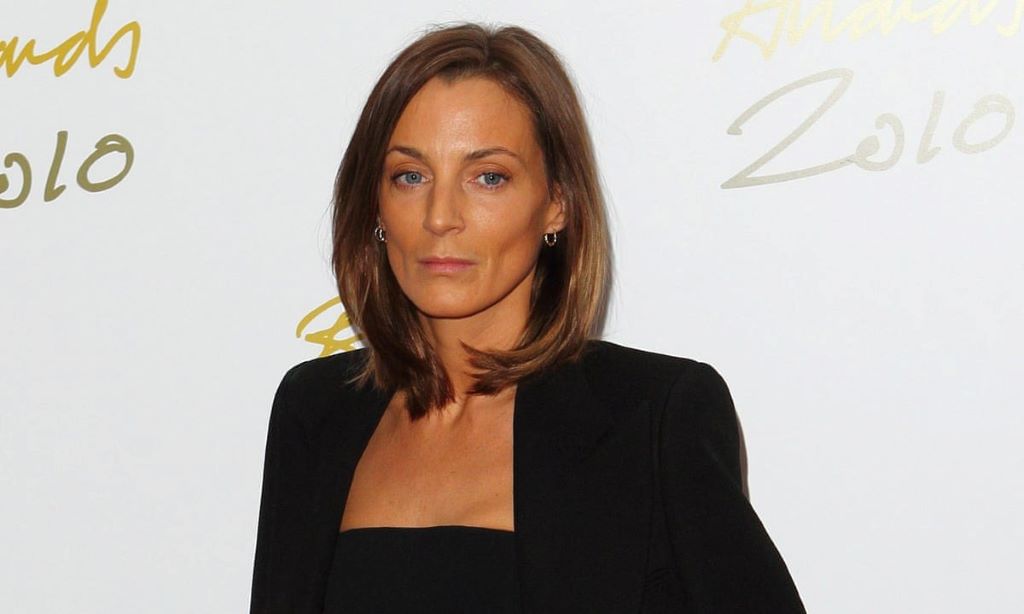
After a hiatus, Phoebe Philo’s return to fashion with her namesake brand in 2024 reignited the industry’s excitement.
Her debut sold out within minutes, showcasing her cult-like following. WWD highlighted that her Instagram page gained over 500,000 followers within 48 hours. Philo’s designs prioritize minimalism, sharp tailoring, and woman-first pragmatism. Industry veterans agree: Philo’s ability to tap into the psyche of modern women ensures her position as a timeless force.
Professional Tips for Aspiring Designers
- Sustainability First: Consumers favor brands with a strong ethical message. Focus on eco-friendly materials and transparency.
- Cultural Relevance: Designers who mirror social movements gain organic traction and loyalty.
- Digital Mastery: Build direct relationships through social media and e-commerce platforms.
- Storytelling Over Trends: People buy stories, not just products. Ensure your brand narrative is compelling and consistent.
Featured Snippet:
Who are the top female fashion designers redefining the global fashion scene?
In 2025, women dominate the global fashion scene like never before. Iconic figures like Virgil Abloh’s protégée Marine Serre, sustainable queen Stella McCartney, and luxury mastermind Donatella Versace are setting new standards. According to Business of Fashion, women now lead 47% of top fashion houses, reshaping everything from haute couture to streetwear. These women bring boldness, sustainability, and inclusivity to the runway, breaking traditional molds. Fashion critics agree: the future of global style is increasingly female-driven, diverse, and boundary-breaking. Their influence extends beyond fashion into culture, politics, and technology.
FAQs About Top Female Fashion Designers
Q1: Why are female fashion designers important today?
Female designers drive conversations around inclusivity, sustainability, and empowerment, influencing how millions express themselves.
Q2: Who is the most influential female designer in 2025?
Donatella Versace and Maria Grazia Chiuri lead in influence due to their global brand reach and cultural impact.
Q3: Are sustainable designs really profitable?
Yes. Stella McCartney’s brand proves that eco-fashion can generate over $150 million annually.
Q4: Which designer is best for futuristic fashion?
Marine Serre is known for merging sci-fi elements with real-world sustainability practices.
Q5: Who offers luxury for the everyday woman?
Tory Burch blends high fashion aesthetics with accessibility, creating luxury for a broader audience.
Q6: How do these designers impact global culture?
They shape cultural narratives by integrating activism, technology, and art into fashion.
Q7: How can I start a career like them?
Focus on honing your craft, developing a unique voice, embracing sustainability, and mastering digital platforms.
Final Thoughts
The world of fashion is richer, more diverse, and more powerful because of these women. They lead not just through design but by rewriting the rules of global culture. Their boldness, resilience, and innovation offer a blueprint for anyone dreaming of changing the world—one stitch at a time.
Read More: How to Embrace Sustainable Fashion Without Losing on Style