

In the world of fashion and beauty, the bra has become an essential garment. It offers support, shapes the bustline, and can even enhance one’s self-confidence. But beneath the appeal, a lingering question persists: do tight bras have harmful consequences for our breasts? Let’s delve into the truth behind this issue.
The Importance of Bra Fit
Finding a bra that fits perfectly is crucial for comfort and breast health. An exceptionally snug bra can create a range of problems, including:
- Breast pain and tenderness: Ill-fitting underwires or overly tight bra bands can dig into breast tissue, causing discomfort throughout the day.
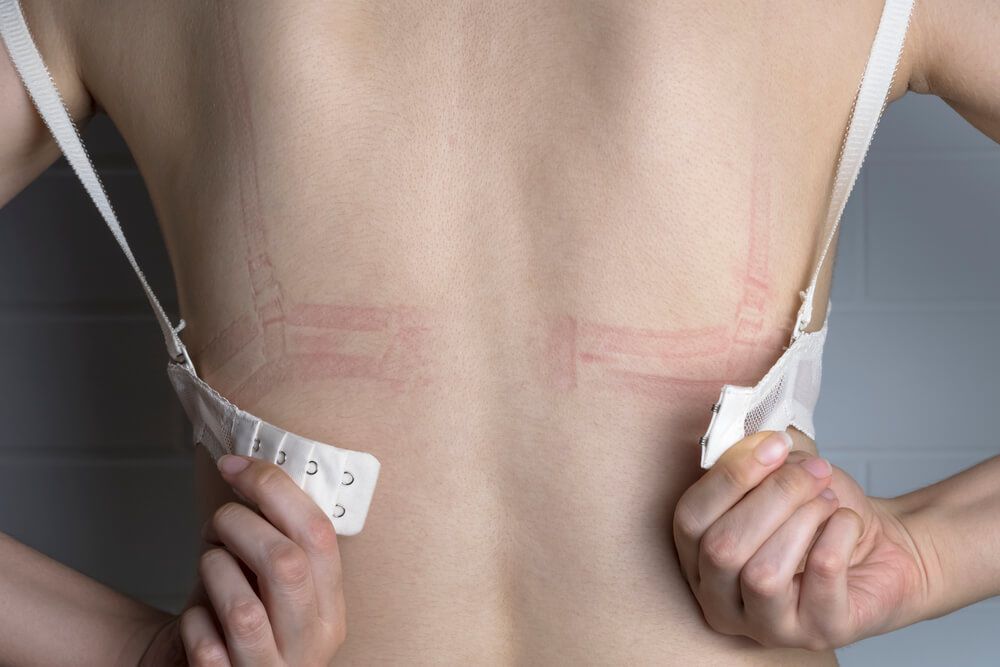
- Skin irritation: Skin chafing and rashes are common if the bra constantly rubs or restricts movement.
- Restricted circulation: Tight bras may impede blood flow, hindering lymphatic drainage – the body’s natural toxin removal system.
- Altered breast shape: Overly tight bras, especially those with small cup sizes, can compress breast tissue, potentially distorting its natural shape over time.
- Back and shoulder pain: The strain of a tight bra can spread to your upper body, causing nagging discomfort.
Myths and Misconceptions
Amidst various claims, let’s clear up some of the most common misconceptions about wearing tight bras and breast health:
- Myth – Tight bras cause breast cancer: There is no reliable scientific evidence linking tight bras directly to breast cancer. Extensive research in this area has been inconclusive.
- Myth – Wearing a bra at night causes breast cancer: This is another unfounded claim. No studies demonstrate a connection between overnight bra usage and breast cancer.
- Myth – Tight bras prevent breast sagging: Unfortunately, bras can’t fight gravity forever. Sagging is a natural consequence of aging, and a bra’s primary role is support rather than long-term prevention of tissue laxity.
The Role of Breast Development and Growth
It’s important to understand that breast growth can occur throughout a woman’s lifespan due to factors such as pregnancy, hormonal fluctuations, and weight changes. Bras do not restrict or enhance growth and choosing the right bra size as your body evolves is essential.
How to choose the right bra
Knowing your accurate bra size is the first step to minimizing any potential harm:
- Professional fitting: Visit a lingerie store where specialists can measure and help determine your ideal fit.
- Comfort first: Choose a bra that offers adequate support without feeling constrictive or leaving red marks on your skin.
- Listen to your body: Pain or discomfort is a sure sign you need a different bra. Don’t hesitate to make adjustments!
Additional Tips for Breast Health
While bra choice can factor into breast comfort, here are additional ways to support your breast health:
- Maintain a healthy weight: Being significantly overweight or obese can influence breast health and size.
- Exercise regularly: Physical activity helps maintain overall health and benefits breast tissue.
- Breast self-exams: Become familiar with how your breasts normally look and feel so you can notice changes. Report any unusual changes or lumps to your doctor.
- Annual mammograms (if recommended): Follow your doctor’s guidelines on mammograms for early detection of any potential problems.
The Bottom Line
A bra is a simple undergarment, but its fit carries significance for breast comfort and health. Tight bras can cause short-term problems like pain and irritation. While there’s no evidence they directly cause breast cancer or halt their development, it’s wise to prioritize comfort and a proper fit.
By focusing on selecting a well-fitting bra, being mindful of your body, and adopting healthy habits, you can prioritize overall breast health. Always remember, any concerns about persistent changes in your breasts warrant prompt consultation with your doctor.